

Unlock this story — it’s free
Download the Pondoland Times app for breaking Eastern Cape news, community updates, jobs, and important stories from around you.
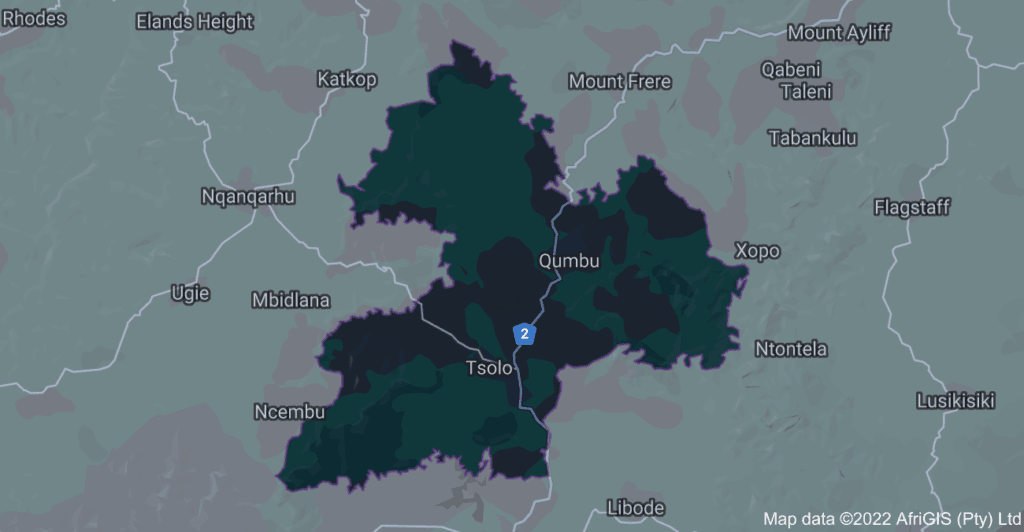
A deepening dispute over ward boundaries in the Kumkani Mhlontlo Local Municipality has escalated into a potential legal showdown, with residents of Zilandana Village accusing authorities of excluding them from a critical public participation process — a claim strongly disputed by the Municipal Demarcation Board (MDB).
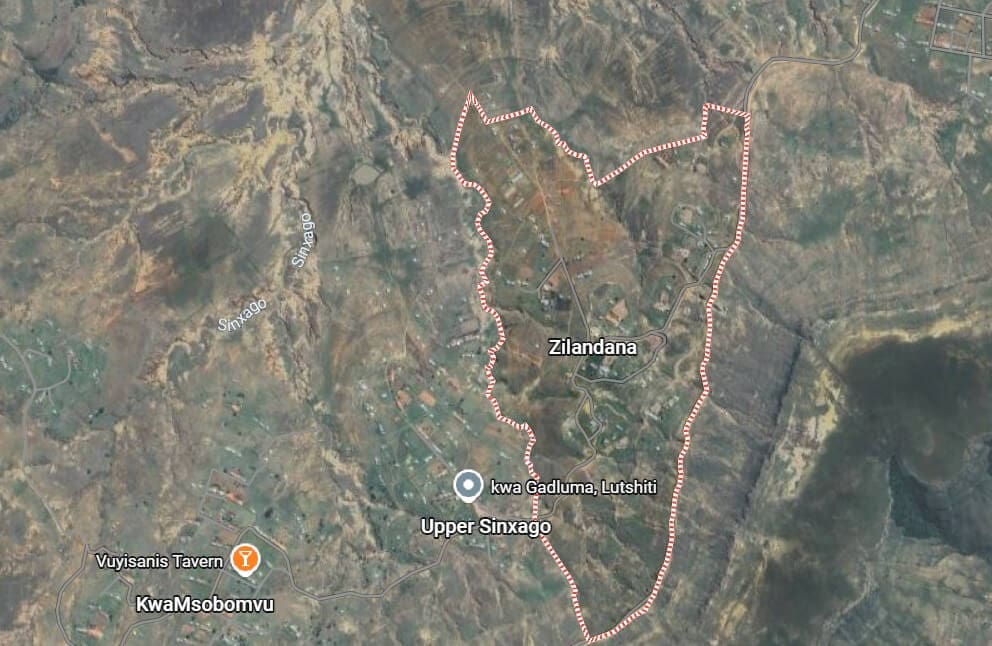
At the heart of the conflict is a controversial decision to move Zilandana from Ward 17 to Ward 23 ahead of the 2026 local government elections — a shift the community says was imposed without consultation, transparency, or consent.
What happened
According to documents submitted by the Zilandana community, the ward boundary changes were finalised in December 2025 following a delimitation process led by the MDB.
However, residents say they were only made aware of the change in early February 2026 through informal discussions — not through any official communication.
The community insists that no meaningful public consultation took place prior to the decision, despite a public meeting allegedly scheduled for 10 April 2025 at Qumbu Town Hall.
“No resident of Zilandana received any notice of the meeting… no announcements were made, and no letters were distributed,” the community stated in its formal response to media enquiries.
This claim forms the foundation of a growing dispute that now involves multiple institutions, including the Public Protector, the Information Regulator, and the Electoral Commission.
Community raises serious allegations
In a detailed complaint submitted to the Public Protector, the Zilandana community alleges:
- Complete failure of public participation
- Procedural unfairness in administrative decision-making
- Possible maladministration and fraud
- Lack of transparency and access to records
The complaint states that the scheduled public consultation meeting “was never convened in a manner that reached the community,” and that no notices were posted or communication delivered.
Residents further argue that this violates key constitutional principles, including:
- The right to just administrative action (Section 33)
- The obligation of municipalities to encourage community participation (Section 152)
Demand for records and transparency
On 2 April 2026, the community formally demanded that the municipality produce records related to the ward delimitation process, including:
- Attendance registers from the April 2025 meeting
- Official meeting minutes
- Proof of how residents were notified
- Internal reports leading to the boundary decision
The demand was made under the Promotion of Access to Information Act (PAIA), giving authorities seven days to comply.
The community warned that failure to produce these records would result in:
- Legal action in the High Court
- Further escalation to the Public Protector
- Possible claims of maladministration
At the same time, a separate PAIA request submitted to the MDB on 1 March 2026 has already been deemed refused due to lack of response within the required timeframe.
Historical tensions deepen concerns
The dispute is further complicated by the community’s forced inclusion into Ward 23 alongside Bajodini — a village with a documented history of violent conflict with Zilandana dating back to the 1990s.
According to the complaint:
- The conflict involved stock theft, killings, and destruction of homes
- The South African National Defence Force was deployed at the time
- The last prisoner linked to the conflict was released in 2021
Residents argue that merging the two communities without consultation risks reopening old wounds and undermining social stability.
Breakdown in local leadership engagement
Efforts to resolve the matter through local leadership have also failed.
The community confirms that:
- The municipal Speaker was invited to meetings on 17 March and 24 March 2026
- The Speaker failed to attend both meetings
- A final response indicated he was “too busy” to attend
This has further eroded trust between residents and municipal leadership, with community leaders describing the situation as a “complete breakdown of accountability.”
MDB rejects allegations
In response to media enquiries, the Municipal Demarcation Board has strongly disputed the community’s claims.
The MDB maintains that:
- The public consultation meeting on 10 April 2025 did take place at Qumbu Town Hall
- Public notices were issued in advance
- Attendance records and submissions exist
- The process complied with legal requirements
The Board further stated that while public meetings are not strictly required by law, it voluntarily conducts them to enhance participation.
It also confirmed that:
- No objections were received from Zilandana residents during the official objection period
- Ward boundaries were published in the Provincial Gazette in December 2025
- The changes were based on voter population requirements and geographic considerations
Conflicting versions at the centre of the dispute
The case now hinges on two directly opposing versions of events:
Community version:
- No consultation took place
- No notice was given
- No residents attended
- Records may not exist or may be fabricated
MDB version:
- Meeting took place
- Notices were issued
- Records exist
- Process followed legal requirements
This contradiction is expected to become a central issue in any formal investigation or court proceedings.
Impact on residents
Beyond the legal arguments, the dispute is already affecting daily life in Zilandana.
Residents report:
- Confusion over ward representation
- Uncertainty about service delivery channels
- Concerns over voting arrangements ahead of the 2026 elections
Approximately 100 households are affected by the ward change.
The shift has also disrupted long-standing social and governance relationships with neighbouring villages that were previously part of Ward 17.
Legal battle looming
The community has made it clear that it is prepared to escalate the matter further.
Possible next steps include:
- Filing for judicial review in the High Court
- Seeking intervention from the Public Protector
- Requesting investigation into maladministration or fraud
- Potentially laying criminal charges if evidence of misrepresentation emerges
An emergency community meeting has already been held to consider protest action and legal options.
Why this case matters
This dispute is more than a local boundary disagreement — it raises broader questions about:
- Public participation in rural governance
- Transparency in administrative processes
- Accountability of state institutions
- Trust between communities and local government
Legal experts note that if the community’s claims are proven, the case could set an important precedent for how ward delimitation processes are conducted across South Africa.
What happens next
At the time of publication:
- The municipality has been formally requested to produce records
- The MDB maintains that the process was lawful
- Complaints are pending before oversight bodies
- Legal action remains under active consideration
The outcome will likely depend on whether documentary evidence — particularly attendance registers, notices, and meeting records — can confirm or disprove whether meaningful public participation took place.
A community waiting for answers
For residents of Zilandana, the issue remains unresolved — and deeply personal.
“This is not just about boundaries,” one community representative said in supporting documents. “It is about our right to be heard.”
As the dispute unfolds, all eyes will be on whether transparency, accountability, and constitutional principles prevail.