

Unlock this story — it’s free
Download the Pondoland Times app for daily job alerts, vacancies, and opportunities in the Eastern Cape so you never miss out.
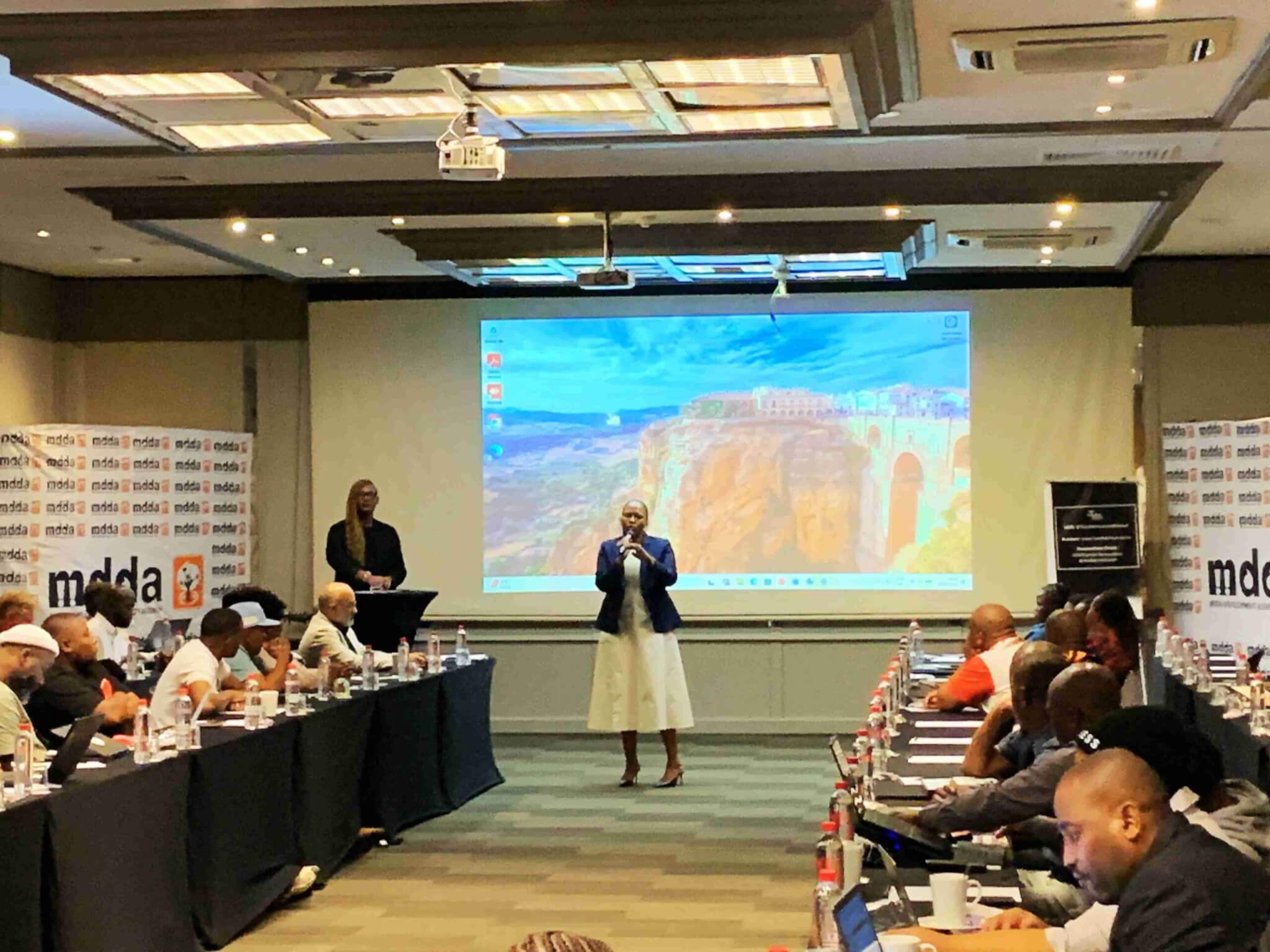
MDDA CEO Shoeshoe Qhu has warned community media organisations that government funding comes with strict conditions, including full accountability for how every cent is spent.
Speaking to publishers, Qhu emphasised that financial support from the Media Development and Diversity Agency (MDDA) is not unconditional, and that compliance is now central to how public resources are managed in South Africa.
“You are here because you have agreed to subject yourself to the conditions,” she said, referring to funded projects. “These are public funds… we have to account for every cent.”
Her remarks point to a tightening environment for community media funding, where failure to comply could result in projects being terminated early or funds being recovered.
Qhu highlighted that sustainability in the sector will depend on stronger partnerships, industry standards, and formal accreditation. She pointed to Press Council membership and ABC certification as key steps publishers should consider to unlock additional support and funding opportunities.
This signals a shift away from informal operations toward more structured, accountable media businesses — a move that could reshape how small rural publications operate.
She also acknowledged the operational pressure within the MDDA, saying staff work extended hours to respond to queries and support funded projects. However, she stressed that cooperation from beneficiaries is essential, especially during monitoring and evaluation processes.
Publishers are expected to produce documentation, demonstrate how funds are used, and align spending with agreed project plans.
The message is clear for community publishers in the Eastern Cape and beyond: funding alone will not sustain the sector — compliance, partnerships, and professionalisation will.
For Pondoland Times readers and other rural media operators, this has direct implications. Access to funding may increasingly depend on formal structures, transparency, and the ability to meet strict reporting standards.
What remains unclear is how smaller, under-resourced publications will meet these rising compliance demands without additional support. This has not been confirmed.
Qhu ended on a note of cautious optimism, indicating that despite stricter controls, there is still opportunity for growth and support within the sector if stakeholders work together.
We will update this story as more details from the full address emerge.