

Download the Pondoland Times app to get breaking national news, major government updates, public alerts, and important South African stories as they happen.
South Africa’s annual inflation rate rose slightly to 3.1% in March 2026, up from 3.0% in February, signalling growing pressure on household costs. The increase was driven mainly by higher housing, utilities and insurance expenses, according to analysis by PPS Investments.
On a monthly basis, prices climbed by 0.6% between February and March. While goods inflation eased slightly to 1.8%, the cost of services rose more sharply to 4.2%, pointing to broader cost pressures beyond basic items.
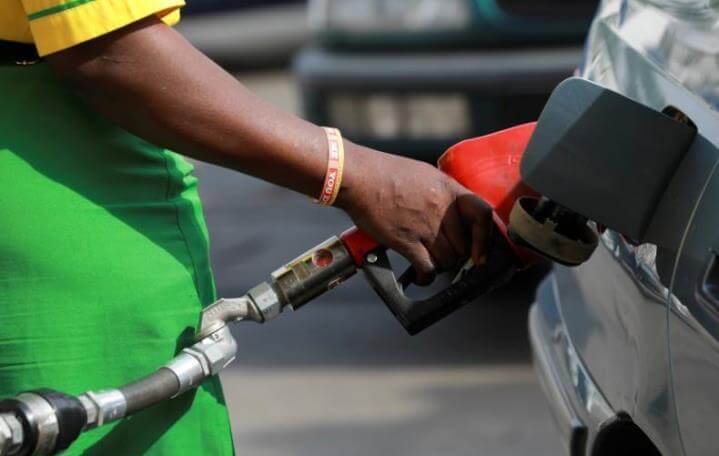
There are early signs that inflation could rise further in the coming months. Fuel prices are expected to increase in April, linked to escalating geopolitical tensions involving Iran and concerns about global oil supply disruptions. South African Reserve Bank Governor Lesetja Kganyago has warned that markets may be underestimating how long these disruptions could last.
For households in the Eastern Cape, where many families already face high transport and living costs, any increase in fuel prices is likely to be felt quickly. Higher petrol and diesel prices typically push up taxi fares, food transport costs and the price of basic goods in rural towns.
The Reserve Bank has kept its main interest rate unchanged at 6.75% for now, but market expectations suggest a possible increase as early as next month, with another hike later in the year.
If interest rates rise, it could make borrowing more expensive for consumers, including those paying off home loans or using credit. At the same time, slower economic growth linked to global oil shocks may reduce spending, which could help limit how fast prices rise.
The central bank has stressed that its priority is to prevent the current inflation pressures from becoming long-term.
For many residents in Pondoland and across the Eastern Cape, the immediate concern remains the cost of daily living. Even small increases in fuel, transport and services can stretch already tight household budgets.
Local impact is already visible in transport-dependent communities, but the full effect will depend on fuel price changes in the coming months. This has not been confirmed.
We will update this story as new inflation data and fuel price changes are announced.