
Unlock this story — it’s free
Download the Pondoland Times app for breaking Eastern Cape news, community updates, jobs, and important stories from around you.
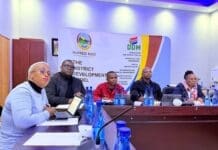
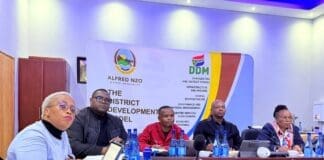
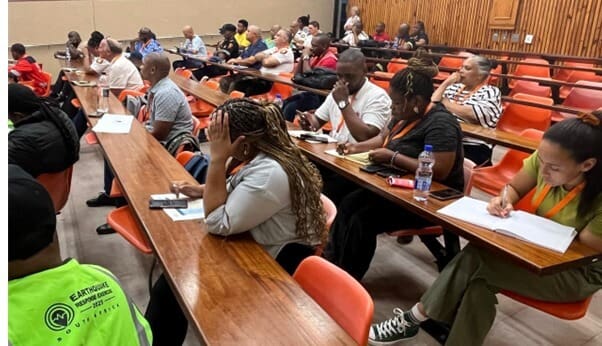
The second day of the AEME Earthquake Response Exercise took place at Nelson Mandela University. The exercise brought together disaster teams, emergency officials, and support agencies. Their goal was to improve coordination and readiness during major emergencies across the Metro.
What Happened
Specialised teams tested the systems that protect residents during disasters. They focused on search-and-rescue operations, medical readiness, communication networks, and humanitarian support. Each scenario was designed to strengthen real-time decision-making. Organisers said the exercise helps the Metro respond faster and more effectively when disaster strikes.
The programme also assessed disaster-coordination structures. Teams reviewed early-warning alerts, evacuation plans, and inter-agency communication. Officials noted that these tests ensure clear roles and faster response during real emergencies.
Focus on Desktop Simulations
The 2 December session centred on desktop simulations. Teams assessed how officials respond to unfolding disaster scenarios. They refined disaster protocols and identified gaps that may affect community safety. Officials said this work improves how quickly messages reach the public. It also strengthens cooperation between municipal departments, provincial structures, and national support units.
Why It Matters
Organisers described the programme as an investment in protection and resilience. They said every drill helps reduce risk and improves the ability to save lives. For residents, it means stronger systems, clearer warnings, and better preparedness across Nelson Mandela Bay.