



Download the Pondoland Times app to get livestock alerts, farming support programmes, weather updates, and agriculture news from your area.
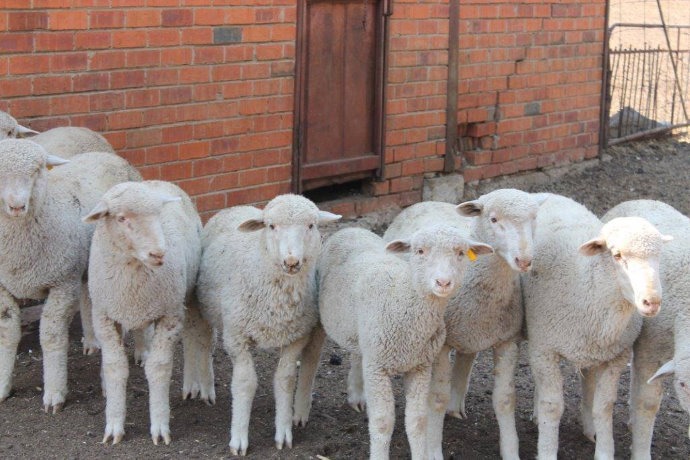
Stock theft is costing Eastern Cape farmers money, putting lives at risk on rural roads, and in many cases it starts with small security gaps that can be fixed early.

New rural safety guidance shows that many theft incidents happen at night, with criminals cutting fences, leaving gates open and moving animals onto roads — sometimes causing serious accidents.
For livestock owners in rural areas, the message is clear: prevention is possible, and it starts with everyday actions on your own farm.
Farmers are being urged to begin with the most basic but often overlooked step — securing boundaries.
1. Secure fences and gates before anything else
Broken fences are one of the easiest entry points for thieves. Small gaps can quickly become access routes.

Repair holes as soon as they appear, keep gates closed and locked, and regularly inspect boundary lines yourself instead of relying only on workers. In many Eastern Cape communities where grazing land is shared, weak fencing also increases the risk of animals straying onto roads or neighbouring land.
Once boundaries are secured, attention should shift to where animals are kept overnight.
2. Lock kraals and limit access points
Livestock kept in open or unsecured yards are easy targets.
Keep kraals locked at night, block unused loading areas, and avoid placing animals near roads where they can be quickly loaded and removed without detection.
Farmers should also understand that theft is often organised, not random.
3. Watch patterns and timing closely
Stock theft often follows predictable patterns.
Be more alert during full moon periods, weekends and month-end when activity tends to increase. Communities that share information about suspicious movements are better able to prevent coordinated theft.
At the same time, risks do not always come from outside.
4. Manage workers and information carefully
In some cases, internal information can make farms vulnerable.
Vet workers before hiring, train staff to report suspicious activity, and avoid discussing farm routines or livestock movements with strangers.
Controlling who enters the property is equally important.
5. Monitor visitors and restrict access
Uncontrolled access creates opportunity for criminals.
Keep a simple visitor record, prevent loitering, and ensure anyone entering the property has clear permission. Even casual observation can give thieves useful information.
Another major problem in stock theft cases is the inability to identify animals.
6. Count and mark your livestock regularly
Many recovery cases fail because animals cannot be proven to belong to a specific owner.
Count livestock at least once a week, brand or mark animals legally, and keep updated records. Without this, recovery becomes far more difficult.
While traditional methods remain important, some farmers are turning to technology for support.
7. Use available technology where possible
Even basic tools can make a difference.
CCTV cameras, rural safety helplines, and newer tools like thermal cameras can improve night monitoring and response times, depending on affordability.
However, prevention alone is not enough without quick action when something goes wrong.
8. Report suspicious activity immediately
Delays reduce the chances of recovering stolen animals.
Report incidents to SAPS without delay, contact the Stock Theft Unit, and alert neighbours quickly. In rural Eastern Cape areas where farms are spread out, community coordination is critical.
Safety should always come first during any incident.
9. Do not confront suspects
If theft happens at night, avoid direct confrontation.
Some incidents involve armed suspects, and personal safety must take priority. Report the matter and allow law enforcement to handle it.
The guidance also highlights a wider issue: livestock on roads.
Animals that are moved or left unsecured often end up on public roads, leading to serious accidents involving vehicles and pedestrians. This means stock theft is not only a farming issue, but also a public safety concern.
For many households across Pondoland and the wider Eastern Cape, livestock represents income, food security and financial stability. Losing animals can have immediate and lasting consequences.
The local impact is clear — better farm security protects livelihoods, reduces crime and helps prevent avoidable road accidents.
Farmers are encouraged to stay connected with neighbours, farming groups and local SAPS structures to strengthen prevention and response efforts.
Stock theft can often be prevented with consistent action — and those who take early steps are far less likely to become victims.
For real-time updates on rural crime, safety alerts and community news, download the Pondoland Times app or check back regularly for verified updates.
DON’T MISS IMPORTANT DEADLINES AND PAYMENTS
Get clear updates on SASSA, applications, funding and local opportunities — including how to fix common issues and avoid delays.