


Unlock this story — it’s free
Download the Pondoland Times app for business news, local market updates, opportunities, and useful stories from across the Eastern Cape.
MDDA Executive Manager Mzuvukile Kashe has issued a firm warning to community media organisations: failure to comply with funding rules, attend mandatory sessions, and properly account for spending could result in grants being withheld or withdrawn.

Speaking during a workshop, Kashe combined both instruction and warning — outlining how the funding system works while exposing real cases of non-compliance already affecting projects funded by the Media Development and Diversity Agency (MDDA).
He made it clear that training sessions are compulsory before any money is released.
“If you are not here… the money won’t go,” he said, stressing that attendance is part of the funding conditions.
Beyond attendance, the core issue is how funds are used.
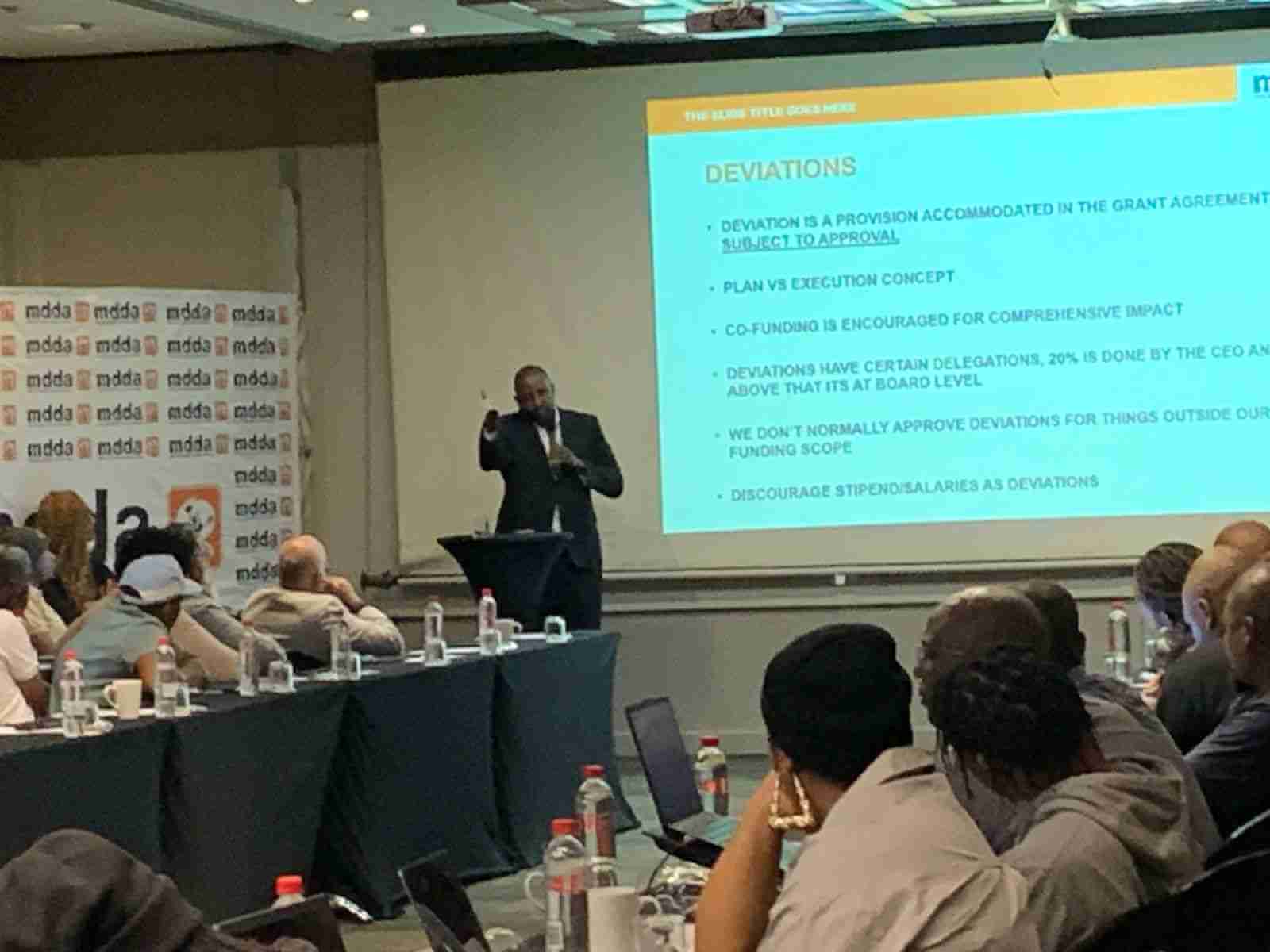
Kashe warned that organisations cannot spend money outside what was approved in their grant agreements. Deviations — any change in spending — must be approved in advance.
“We don’t approve deviation outside our funding,” he said.

This includes common practices flagged during the session, such as shifting funds from operational costs like printing or distribution into salaries.
“If we give you money for salaries… and you increase it, that’s something we discourage,” he added.
At the same time, Kashe clarified that saving money is allowed — and even encouraged. However, those savings cannot be used freely.
If an organisation negotiates a lower price and saves money, that amount can only be used after formal approval.
“You just get it approved,” he said.
Slides presented during the session revealed a pattern of serious compliance failures across some funded organisations.
These include:
- Not reporting at all
- Reporting expenditure that does not match the grant agreement
- Using savings without approval
- Moving funds without supporting documents
- Being non-compliant with tax requirements
In more severe cases, organisations reportedly stop communicating entirely after receiving funds.
“Some organisations decide not to report at all, and just disappear,” the presentation noted.
Procurement abuse is another major concern.
Kashe said some organisations submit manipulated quotations to meet requirements, including multiple quotes that appear to come from different companies but are effectively the same.
“We are able to pick up those things,” he said.
Late reporting is also creating operational problems. When reports are delayed, the next tranche of funding cannot be released, affecting salaries, volunteers, and ongoing work.
For community publishers in the Eastern Cape, the implications are immediate and practical.
Funding is still available, but it now comes with stricter enforcement. Poor reporting or misuse of funds can delay payments or stop projects entirely.
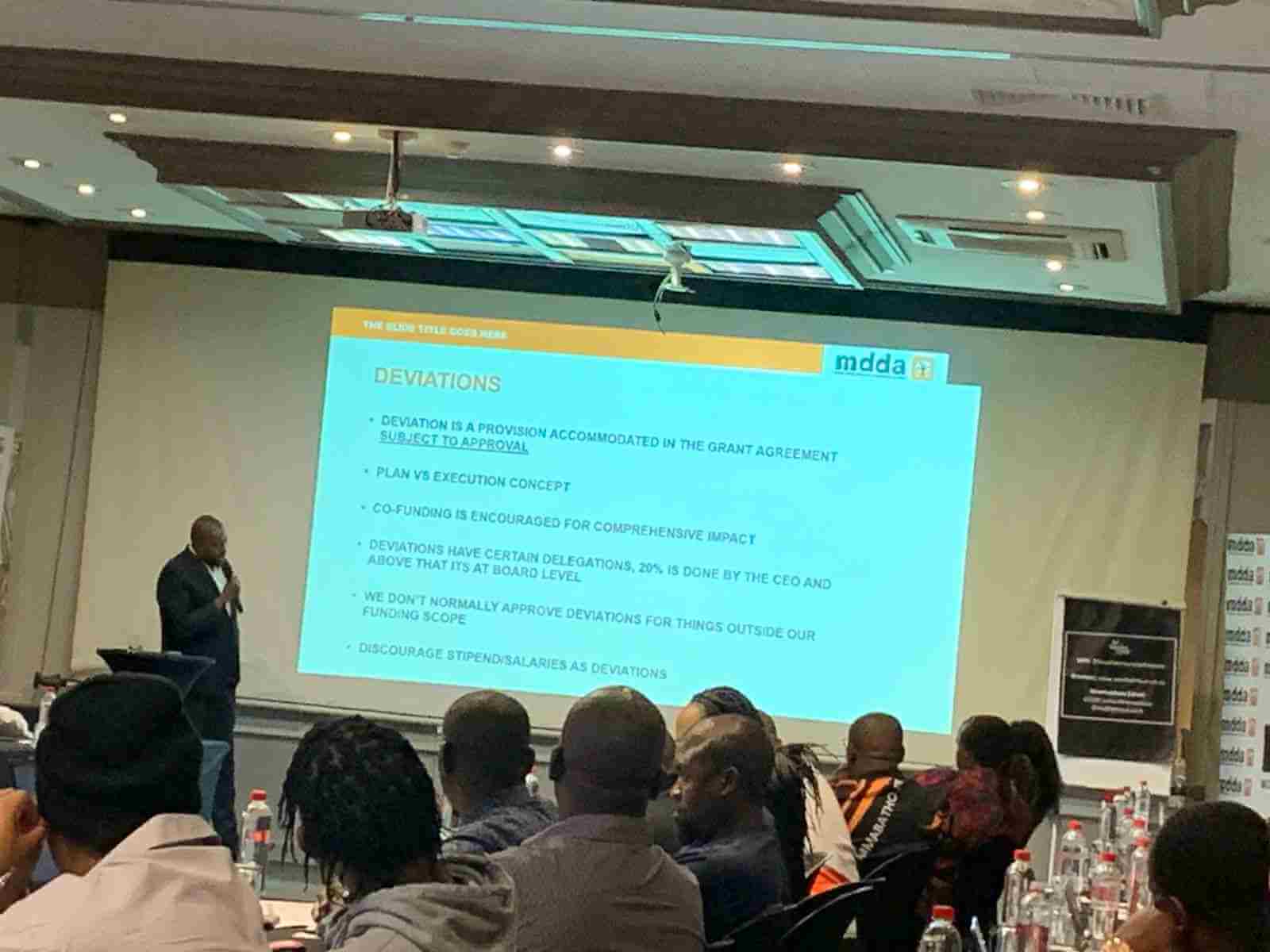
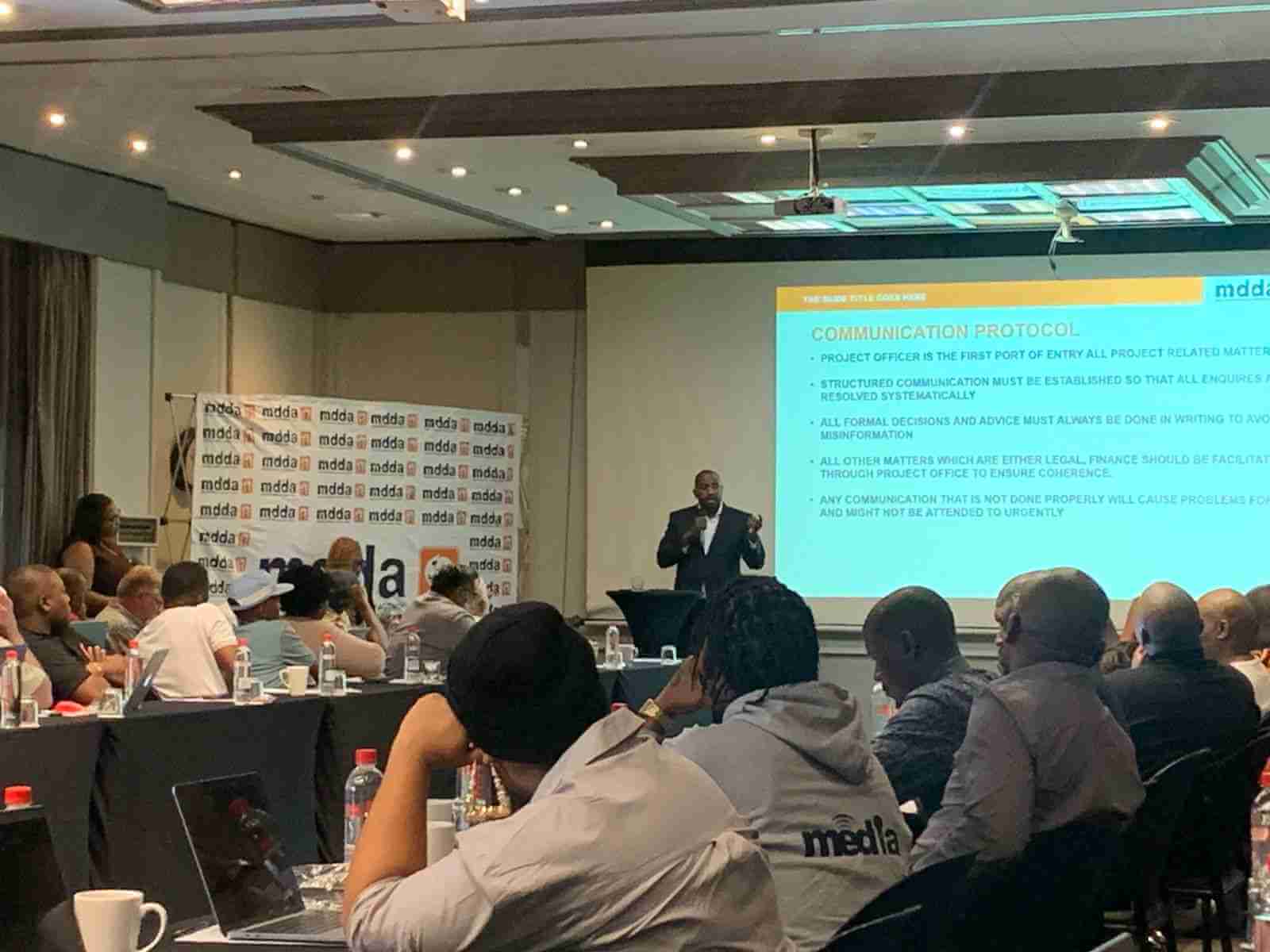
Kashe also acknowledged internal challenges within the MDDA, including delays in processing reports and communication gaps. However, he stressed that organisations must follow proper channels — starting with designated project officers — and maintain discipline in all engagements.
The broader message from the workshop is clear: the MDDA is tightening control over public funds, and compliance is now the deciding factor in whether projects succeed or fail.
Some specific enforcement actions and case details mentioned in the session were not fully outlined. This has not been confirmed.
For publishers, the path forward is clear — attend all required sessions, follow funding rules strictly, document every transaction, and seek approval before making any changes.
We will update this story as more details emerge on enforcement actions and how affected organisations will be handled.
GET IMPORTANT UPDATES FIRST
Stay informed with news on agriculture, funding opportunities and jobs — so you don’t miss chances that could improve your income and future.