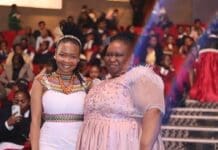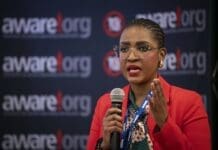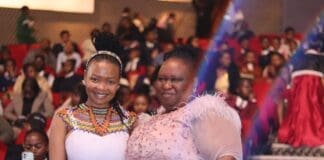


Miss Bizana finalist Nobuhle Ngubane has used both her competition video submission and a finalist spotlight feature to address education inequality and literacy challenges affecting rural learners.
In her official Miss Bizana video entry, she spoke about limited access to quality education in South Africa. In a separate finalist spotlight post shared on 30 January at 8:14am, Miss Bizana HighSchools outlined her plans to promote reading and literacy in local schools.
What is happening?
Nobuhle Ngubane is using her Miss Bizana platform to address two connected issues: unequal access to education and weak literacy support in rural communities.
In her video submission, she described learners walking long distances to school and arriving at overcrowded classrooms with scarce resources. She highlighted poor infrastructure, limited textbooks, and the absence of libraries and computers in many schools.
She further stated that millions of children globally are denied access to education due to poverty, geographical barriers and discrimination. In her words, “It is time to make education a right, not a privilege.”
In a separate Miss Bizana finalist spotlight post, organisers said Ngubane is passionate about supporting younger learners who struggle with basic reading and writing skills. According to that post, she plans to volunteer at local schools, tutor learners, organise book collections and host weekly reading sessions in Bizana.
Why it matters in the Eastern Cape
Many rural schools in the Eastern Cape face infrastructure and resource constraints similar to those described in the video submission.
When classrooms are overcrowded and textbooks are limited, learners often struggle academically. As a result, literacy levels may decline in early grades, which then affects performance in later years. Consequently, fewer learners qualify for tertiary study or competitive employment opportunities.
Community-based literacy initiatives, such as tutoring and reading sessions, can complement formal schooling. Therefore, youth advocacy efforts may help strengthen foundational skills while broader infrastructure challenges remain under discussion.
For ongoing verified updates on schools and student support, visit our NSFAS / Education hub. You can also explore related reporting in Local Eastern Cape News and Jobs & Opportunities.
What you need to know
Below is a summary of the issues and actions linked to Ngubane’s advocacy:
- Unequal access to quality education in rural areas
- Long walking distances to school
- Overcrowded classrooms
- Limited textbooks and learning materials
- Lack of libraries and computers
- Focus on reading and literacy support for younger learners
- Plans for volunteering, tutoring and book drives
| Issue or Initiative | Impact on Learners |
|---|---|
| Poor infrastructure | Disrupted learning environment |
| Overcrowded classes | Reduced individual attention |
| Limited textbooks | Slower academic progress |
| No libraries/computers | Restricted research and digital skills |
| Tutoring and reading sessions | Improved literacy confidence |
| Book collection drives | Increased access to reading material |
What you should do next
If you are a parent, educator or community member in Bizana or surrounding areas:
- Engage with your School Governing Body about infrastructure and literacy concerns.
- Support local book donation or reading initiatives.
- Encourage daily reading practice at home.
- Monitor verified education updates through our NSFAS / Education coverage.
- Follow community developments in Local Eastern Cape News.
Get practical updates that affect your household and business. Subscribe to the Pondoland Times newsletter.
Download the Pondoland Times app for verified community updates.