



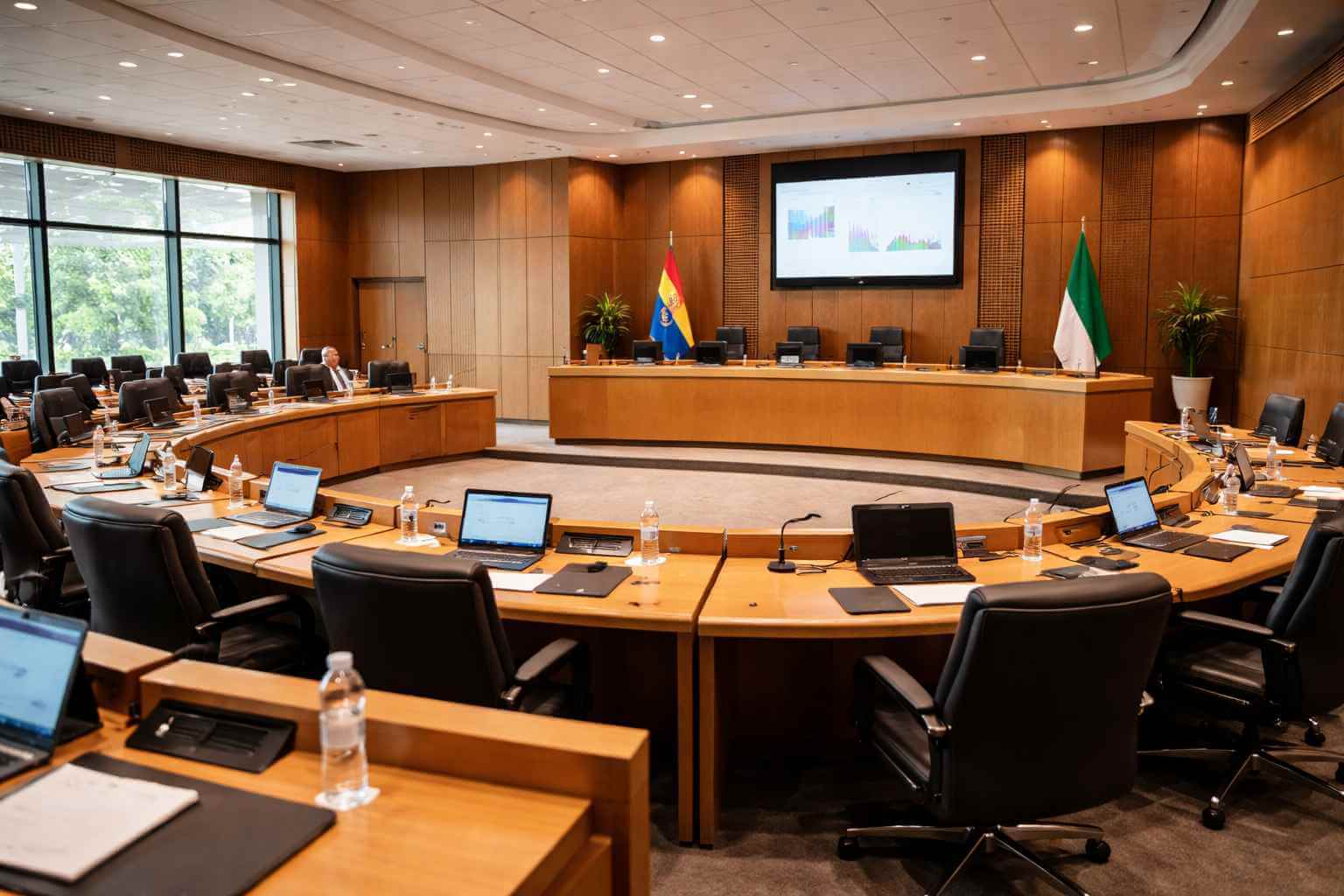

As outlined in the SALGA Practical Guide approved in March 2012 , MPACs help councils monitor spending, performance, and compliance with the Municipal Finance Management Act (MFMA).
Below is a clear service explainer to help councillors, officials, and residents understand how MPAC works and why it matters.

What is happening?
The South African Local Government Association (SALGA) issued a Practical Guide to strengthen municipal oversight through Municipal Public Accounts Committees (MPACs) .
The guide explains:
- How municipalities must establish MPACs
- What powers councils must delegate
- What financial reports MPAC must review
- How oversight reports must be prepared
MPAC operates as a Section 79 committee of council. It reports directly to the municipal council and focuses on financial accountability and governance oversight.
Why it matters to you
Strong MPAC oversight helps prevent:
- Irregular and wasteful expenditure
- Budget mismanagement
- Failure to act on Auditor-General findings
- Weak accountability in local government
For councillors, MPAC clarifies legal duties.
For residents, it creates a formal mechanism to hold municipalities accountable.

Effective oversight strengthens service delivery and protects public funds.
What you need to know
1. What MPAC must monitor
According to the SALGA guide , MPAC must interrogate:
- Unauthorised, irregular, fruitless and wasteful expenditure
- Monthly and quarterly budget reports
- Mid-year budget assessments
- Annual financial statements
- Annual reports
- Auditor-General findings
- Disciplinary action under the MFMA
- IDP reviews and performance management plans
- Councillor declarations of interest
2. Legal framework
MPAC oversight is grounded in:
- Municipal Finance Management Act (MFMA)
- Municipal Structures Act
- Municipal Systems Act
Council must formally establish MPAC by resolution and delegate oversight powers under Section 59 of the Systems Act.
3. Public access
Meetings should be open to the public where practical, in line with constitutional requirements.
Residents may make representations during annual report oversight processes.
MPAC powers at a glance
| Area of Oversight | What MPAC Can Do |
|---|---|
| Financial statements | Review and make recommendations to council |
| Irregular expenditure | Interrogate reports and recommend action |
| Annual report | Draft oversight report for council approval |
| Auditor-General findings | Monitor corrective action |
| Municipal entities | Call board members or CEOs to account |
| Community input | Consider public submissions |
MPAC does not execute decisions. It makes recommendations directly to council.
What you should do next
If you are a councillor
- Confirm your municipality has formally established an MPAC
- Check that delegated powers are clearly defined
- Ensure MPAC meets at least four times per year
- Monitor whether audit committee reports are submitted
If you are a municipal official
- Submit required reports timeously to MPAC
- Provide documentation requested under its terms of reference
- Support MPAC with administrative and technical resources
If you are a resident
- Attend open MPAC meetings where possible
- Make submissions during annual report oversight
- Follow council agendas for MPAC reports
Where to get help
For official guidance, consult:
South African Local Government Association (SALGA)
Municipal Finance Management Act
National Treasury circulars on oversight
You can read the full SALGA MPAC Practical Guide here:
For more governance and accountability coverage, visit our Local Eastern Cape News section.
Get practical updates that affect your household and business. Subscribe to the Pondoland Times newsletter.
Download the Pondoland Times app for verified community updates.