


Unlock this story — it’s free
Download the Pondoland Times app for breaking Eastern Cape news, community updates, jobs, and important stories from around you.
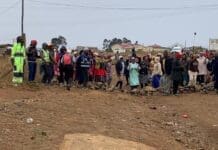
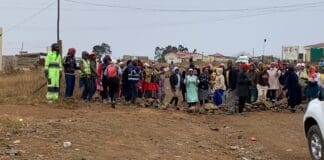
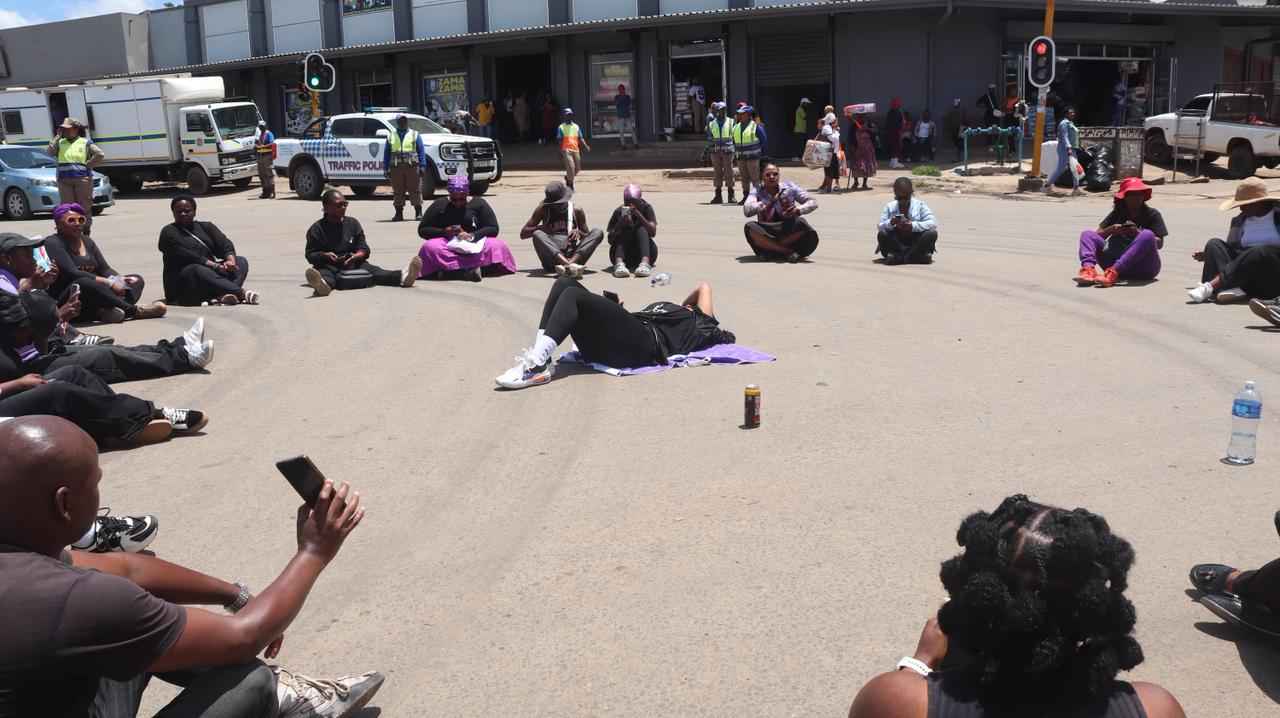
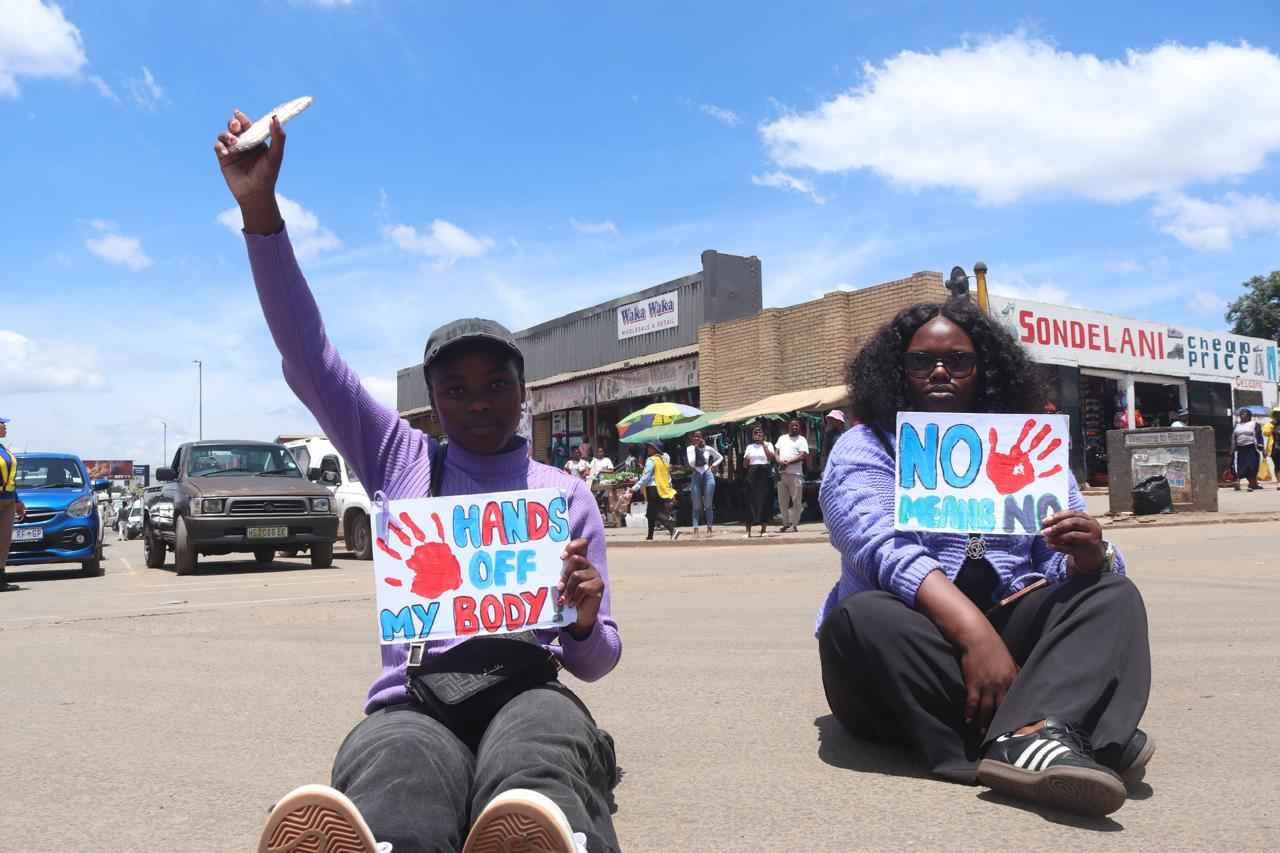
Women across South Africa called for a peaceful shutdown on 21 November 2025, demanding urgent action against Gender-Based Violence and Femicide (GBVF). That national call reached Bizana, where young people organized their own march and tied it to the upcoming 16 Days of Activism for No Violence Against Women and Children, starting from 25 November 2025. The march was led by Bizana youth, including Olwethu Nyangana from Winnie’s Embrace Foundation, including Mfuneko Ngcambelo, Mbokazi Fundiswa, and Sifiso Gwandela, all determined to protect women, children and the town’s young people.
Their action comes at a moment when the scale of the crisis is painfully clear in the numbers. South Africa’s 2024/2025 figures show more than 203,000 violent crimes against women, and SAPS reports that over 1,900 women were murdered in just six months, an increase of up to 8.6% compared with the year before 2024. There are also thousands of serious assaults and attempted murders, and some quarters reported more than 10,000 rapes. While a few indicators fell briefly in late 2024, early 2025 saw sexual offences rise again, and civil society groups warn that gaps in official reporting are likely to hide the full scope of the problem.
That reality gave extra weight to the Bizana march and the messages its leaders brought to the streets. Speaking to those gathered, Olwethu Nyangana said their participation was about honouring victims and demanding immediate change:
“Our mandate is to stand and advocate for the youth of Bizana against Gender-Based Violence and sexual crimes. We joined the national action to honour victims and those we’ve lost. We’re calling for action now, not tomorrow, not next year. We want our youth to know their rights; to know they deserve protection, and to know we must stay alive.”
Her words were spoken not far from the wider national debate, after President Cyril Ramaphosa described GBV as a national crisis at the G20 Summit. Nyangana welcomed national attention but warned that declarations must be followed by concrete plans:
“As far back as 2019, I think it was a first term where Gender Based Violence was already declared as a crisis, cause even when President declared as a crisis, a national crisis not a national disaster, of which the language is very concerning to us to say even so many years two times, you still don’t see or understand the magnitude or the numbers in which the women are being killed in this country, in which actually young people are also dying in this country without defence, without proper traumas of reporting and having cases to be prosecuted, so we’re still worried about the language, we still feel like it’s lip services, we still feel like there’s more to be taken and we no longer need words, we need action. Tell us your plan to halt Gender based Violence.”
She connected the national statistics to the everyday reality for children in Bizana, explaining why local action matters:
“I fight for a child in Bizana who doesn’t yet know their rights, who doesn’t know how to tell the difference between sexual crimes and rape. Many cases go unheard because a child didn’t understand that what happened to them was a crime. This march is for them.”
Turnout on the day was small, but Nyangana said that did not lessen the march’s purpose in fact, it showed a beginning:
“Change can start with one person. What matters is that someone stands up. Sometimes the way people talk about sexual crimes makes us lose sight of what is happening to us as a country. Even though we came in small numbers, we showed up to say we understand the seriousness of the issue, and we are here to raise awareness. There is a problem right in front of us.”
By linking their local protest to the national shutdown and to the 16 Days of Activism, Bizana youth hope to spark more conversations, encourage people to learn their rights, and push for systems that make reporting, protection and prosecution real options for survivors.
If someone is in danger or needs urgent help, they should contact the police or emergency services immediately. For support, guidance, or reporting abuse, there are several places people can reach out to. In Bizana, the Thuthuzela Care Centre can be contacted at 078 297 9521 or 063 006 2659 for assistance. Nationally, South Africa’s GBV Command Centre is available 24/7 at 0800 428 428, and there is also a free Please Call Me service by dialling 1207867#. People can request help via SMS at 31531, children can call Childline at 116, and emergencies can always be reported to SAPS at 10111. These services exist to support anyone experiencing harm or feeling unsafe.