

Download the Pondoland Times app for NSFAS payment updates, application news, student funding alerts and important education updates.
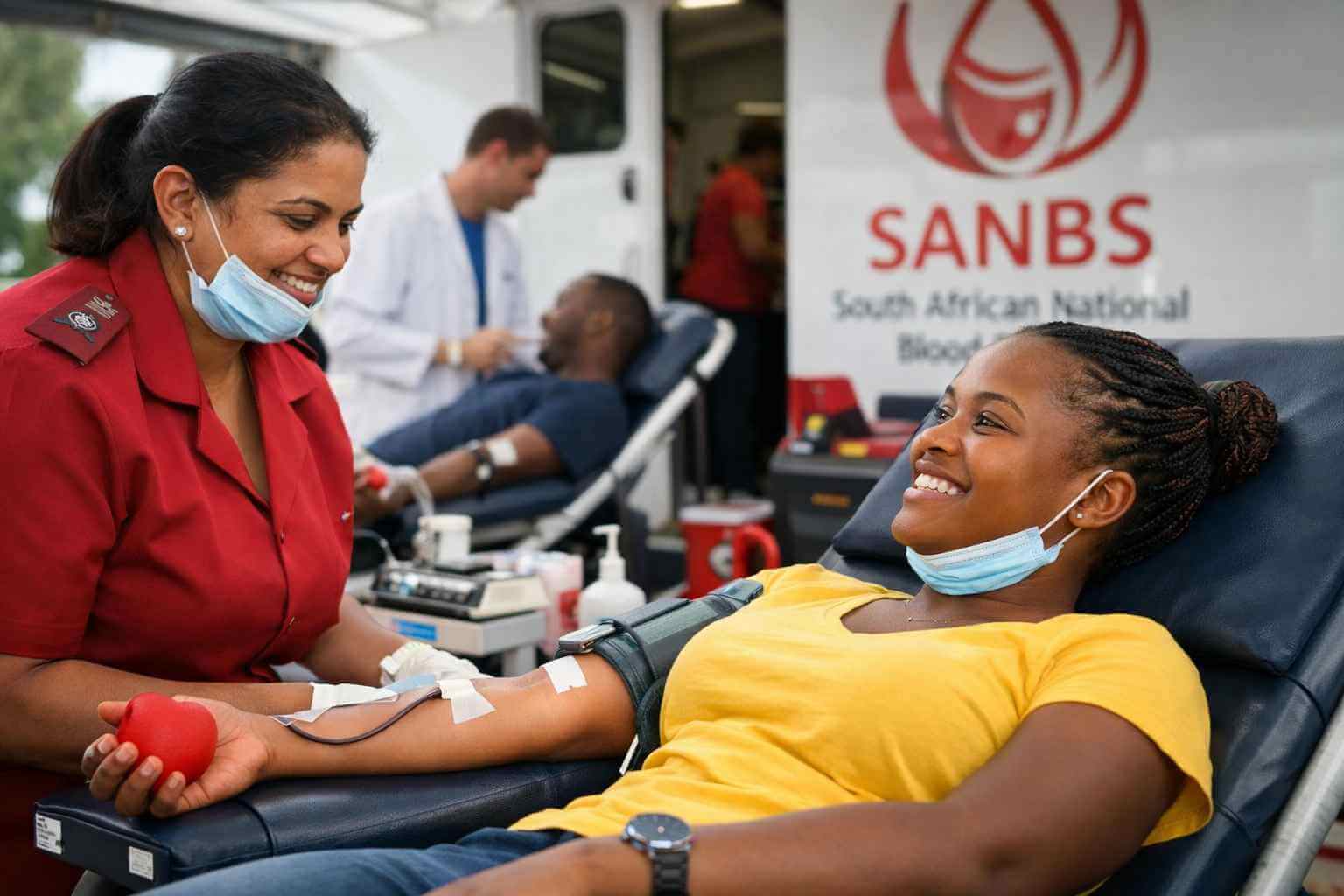
As South Africans return to work and school after the festive season, hospitals across the country face a familiar problem: blood stocks are low. This annual dip happens just as demand remains steady for emergencies, childbirth, surgeries, and chronic care.
Health services warn that when supplies fall below safe levels, treatment delays become more likely — especially in trauma cases where minutes matter.
Why January is a difficult month for blood supply
January shortages happen almost every year due to a mix of factors:
- Fewer workplace and campus blood drives during December holidays
- Travel and disrupted routines among regular donors
- A quick return to normal hospital demand after the festive season
While donations slow down, emergency care does not. Car accidents, birth complications, surgeries, and ongoing treatments continue year-round.
What happens when blood stocks run low
When blood supply drops:
- Emergency rooms struggle to keep reserves ready
- Planned procedures may be postponed
- Doctors must ration blood carefully for the most critical cases
Behind the statistics are real patients — mothers in labour, accident victims, children with anaemia, and people undergoing cancer treatment.
Which blood types are needed most — and why
The South African National Blood Service says all blood groups are needed, but some play a critical role during shortages:
- O-negative: Used in emergencies when a patient’s blood type is unknown
- O-positive: The most common blood type, needed in high volumes
- B blood groups: Important for balancing overall stock levels
Who can donate blood?
You may be eligible to donate if you:
- Are between 16 and 75 years old
- Weigh at least 50kg
- Are in generally good health
- Have not donated blood in the last 56 days
First-time donors are welcome.
How to donate blood (step by step)
1. Find a donor centre or mobile clinic
Check SANBS donor centres or mobile drives operating in your area.
2. Eat and hydrate beforehand
Have a light meal and drink water before donating.
3. Bring identification
A valid ID or donor card is required.
4. The donation takes minutes
The entire process takes about 30 minutes — the blood draw itself only a few minutes.
5. One donation can save up to three lives
Why donating now makes a difference
January donations help stabilise blood stocks early in the year, ensuring hospitals can respond without interruption when emergencies happen. Regular donations during this period reduce pressure on the system and help protect patients most at risk.
What readers can do next
- Donate blood if you are eligible
- Encourage friends, family, and colleagues to donate
- Share accurate information and avoid donation myths
- Make blood donation part of your annual routine
Call to action
If you are healthy and eligible, consider starting 2026 by donating blood. A small act of time can make a life-saving difference for someone in need.