



What is happening?
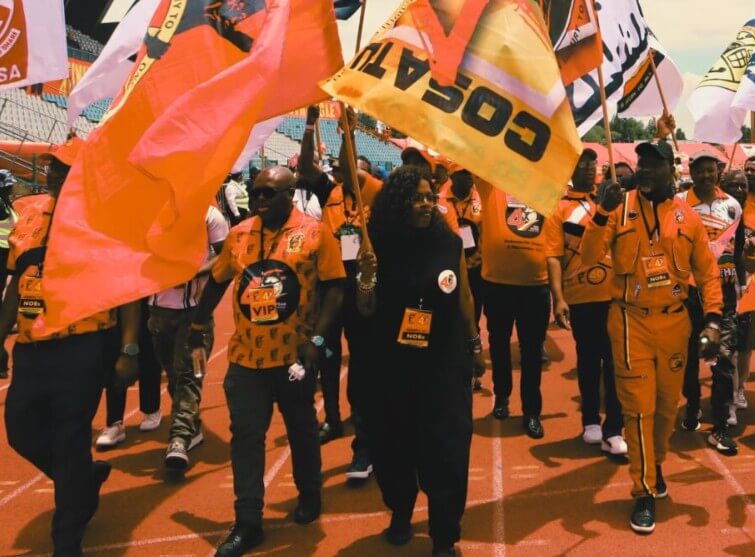
The National Education, Health and Allied Workers’ Union (NEHAWU) has issued a public statement welcoming the recovery of R1.7 billion by the Special Investigating Unit (SIU) from the National Student Financial Aid Scheme (NSFAS).
This recovery follows a proclamation by President Cyril Ramaphosa authorising a probe into alleged corruption and mismanagement at NSFAS. The SIU investigation focused on financial governance, loan allocations, and the administration of bursaries.

Why it matters to you
If you’re a current or future NSFAS applicant, or part of the higher education community, this development signals serious failings in how public student funding has been managed.
It may also affect future funding decisions and access to student loans and bursaries. NEHAWU’s statement pushes for structural reforms and criminal action — which could influence how NSFAS operates going forward.
What you need to know
According to NEHAWU, these are the key concerns and demands:
- R1.7 billion has been recovered through the SIU’s intervention into NSFAS’s finances
- The recovery confirms years of poor governance and maladministration at NSFAS
- NEHAWU calls for consequence management, starting with NSFAS executives
- A full forensic investigation into mismanagement and corruption is urgently needed
- The Department of Higher Education and Training (DHET) is accused of failing in its oversight role
- Criminal prosecutions and civil litigation are demanded for those responsible
- NEHAWU wants the recovered funds redirected to:
- Address student financial and academic exclusion
- Expand student housing
- Stabilise NSFAS operations
What you should do next
If you rely on NSFAS for funding, NEHAWU’s demands may lead to changes in how the scheme operates. Here’s what you can do now:
- Monitor official NSFAS updates on governance or process changes
- Keep updated via your institution’s financial aid office
- If you’re already funded by NSFAS, ensure your details and academic records are correct to avoid administrative errors
- If applying for 2026, continue to apply as normal — this recovery does not currently affect the 2026 application window
- Expect tighter controls and monitoring in future application cycles