
Download the Pondoland Times app for NSFAS payment updates, application news, student funding alerts and important education updates.
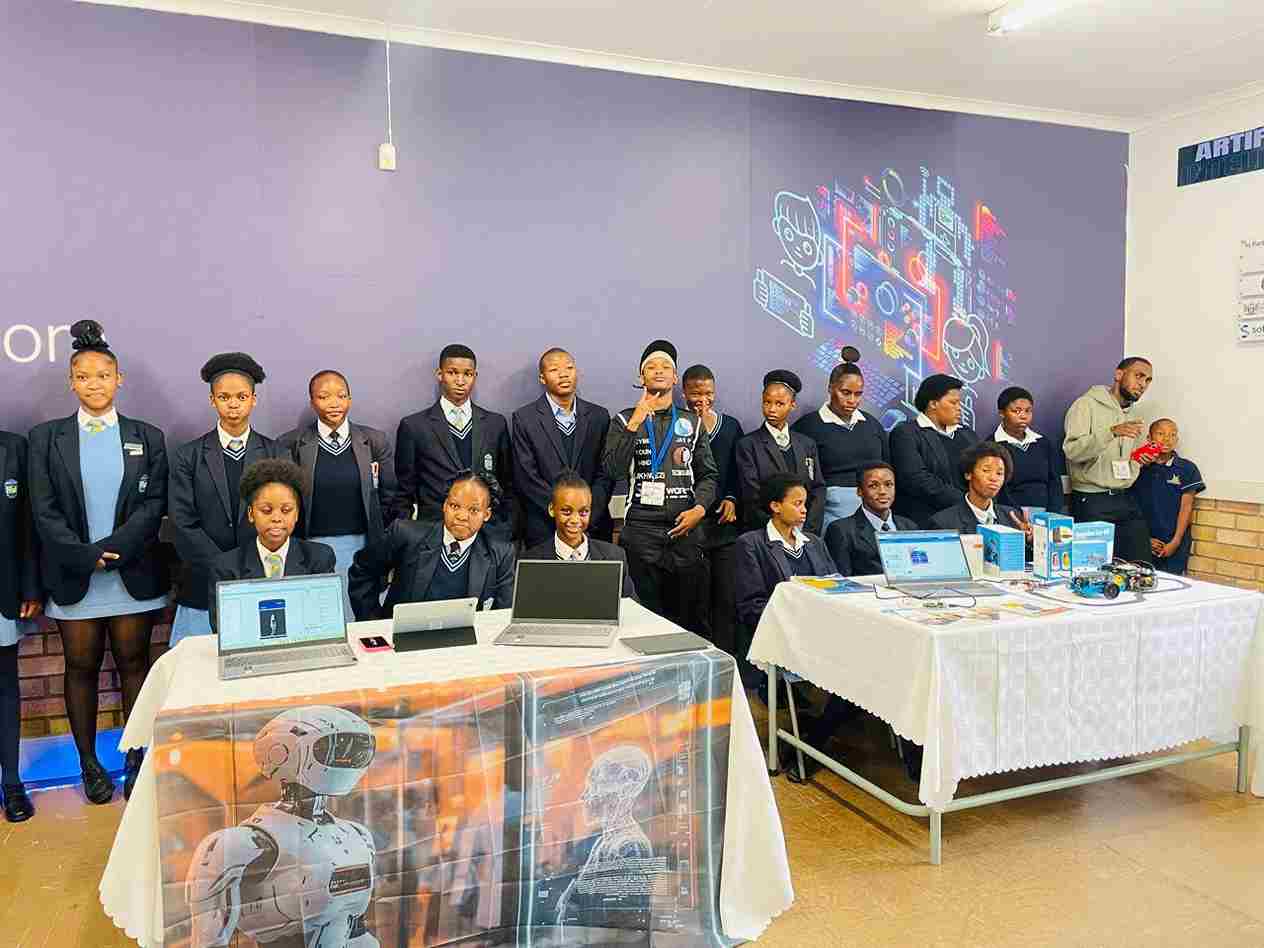
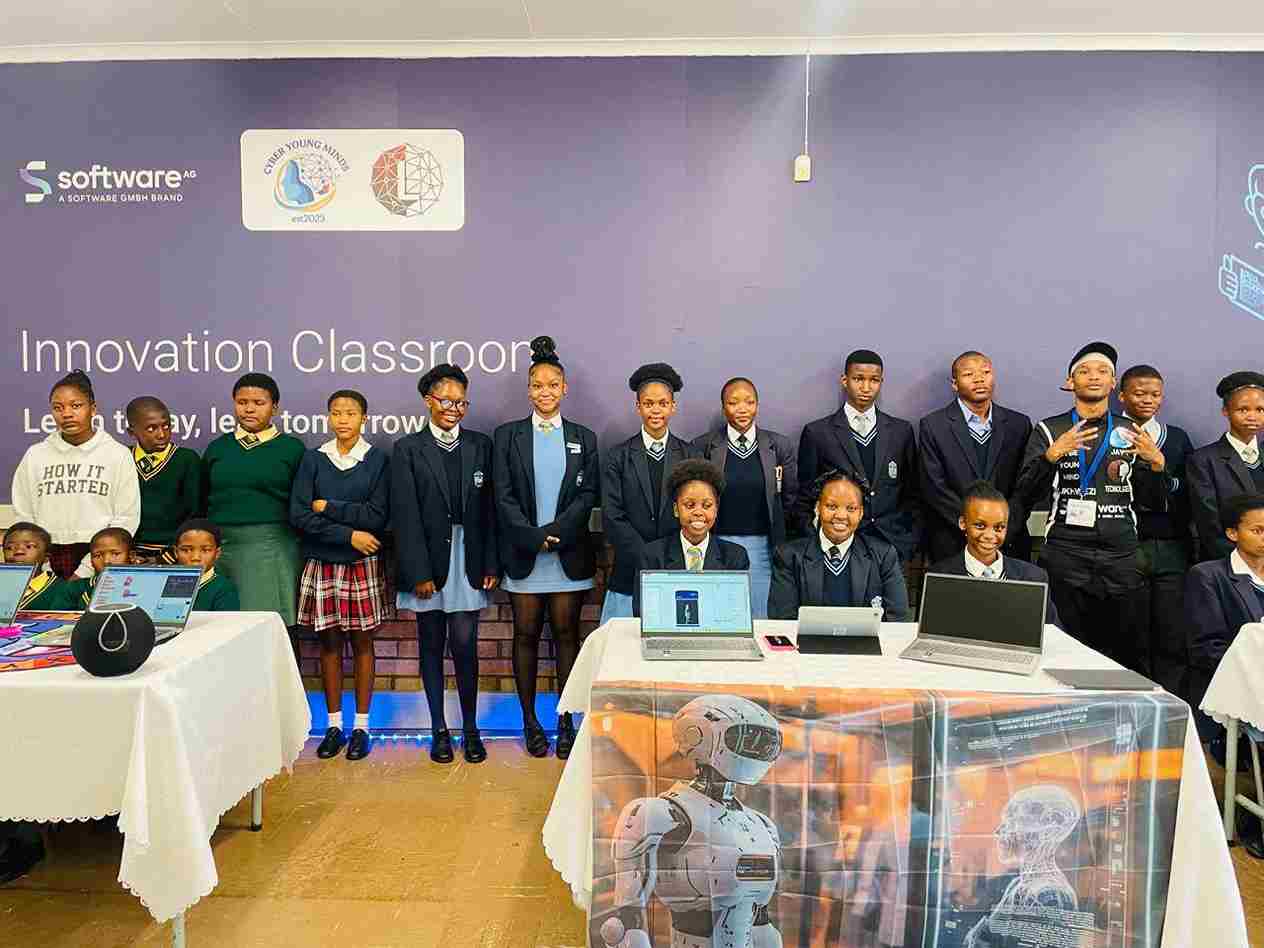
A new Coding and Robotics Centre has been launched in KwaMaqoma, marking a major push to bring technology education closer to rural learners in the Eastern Cape.
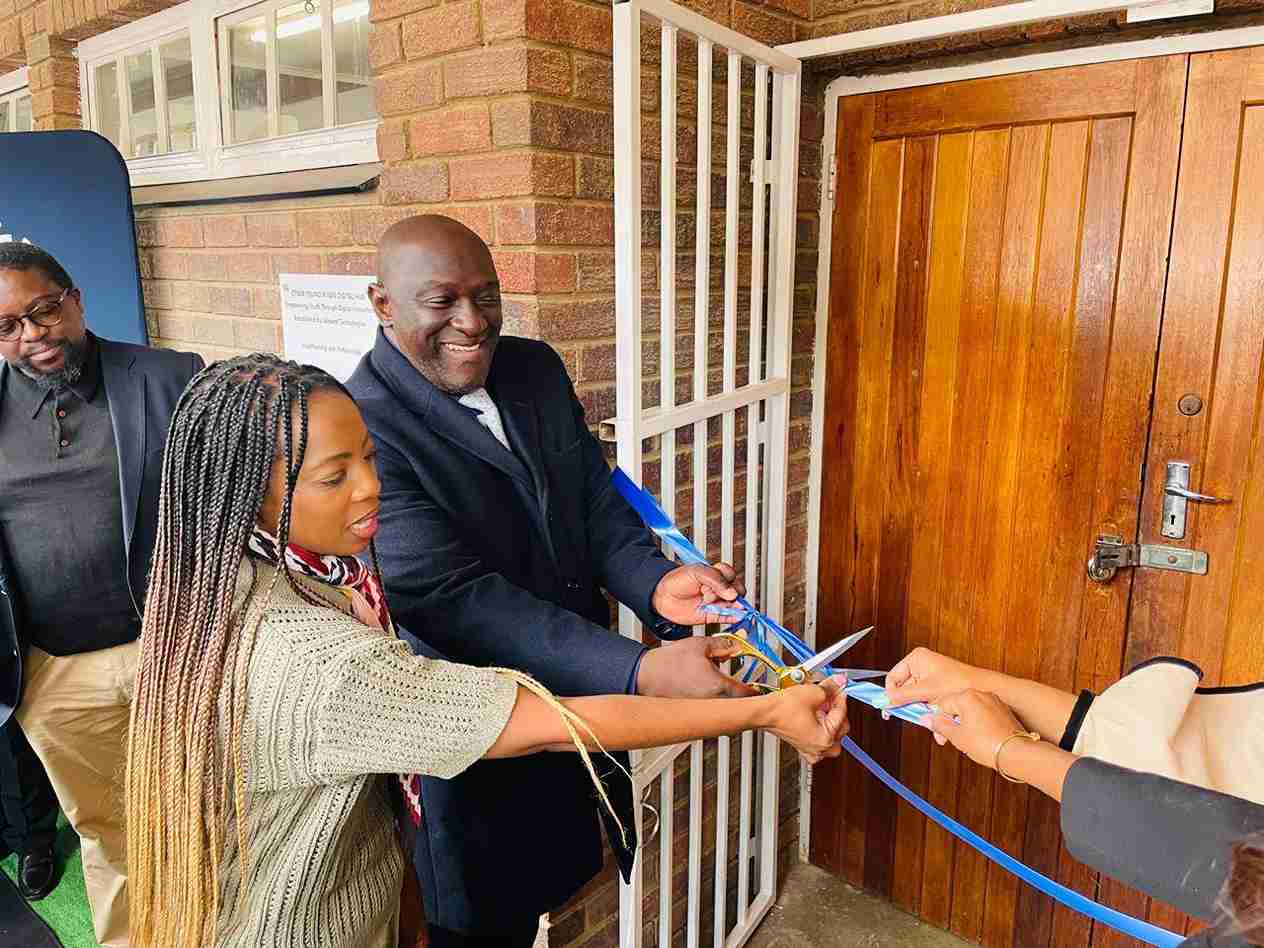
The facility, unveiled on 24 April 2026 at the Amathole West District offices, is a joint initiative involving the Raymond Mhlaba Municipality, the Eastern Cape Department of Education, and Likhwezi Consultant. It is designed to introduce learners to coding, robotics, and digital skills linked to the modern economy.
Local officials say the centre is part of a broader effort to prepare young people for a future shaped by artificial intelligence and advanced technology. Education MEC Fundile Gade told attendees that the province must move away from outdated teaching methods and equip learners with relevant skills.
Public Protector Adv Nompilo Kholeka Gcaleka also addressed the launch, stressing that technology is no longer a future concept but a present reality that young people must be ready for.
For rural communities, the centre represents more than just a new building. It brings access to tools and training that have historically been concentrated in urban areas. Learners from villages and small towns will now have the opportunity to learn coding, build robots, and develop solutions to local challenges.
This could have direct impact in parts of the Eastern Cape where unemployment among young people remains high. With digital skills, learners may be able to create applications, support local businesses, or enter careers in science and technology fields.
However, it is not yet clear how many schools will have access to the centre, how learners will be selected, or how the programme will be sustained long-term. This has not been confirmed.
For readers in Pondoland and across the Eastern Cape, the development signals a shift toward bringing high-level education opportunities into rural areas. If expanded, similar centres could help reduce the gap between rural and urban schooling.
The success of the initiative will depend on continued support, teacher training, and whether learners from remote areas can realistically access the facility.
We will update this story as more details become available on access, enrolment, and rollout to other districts.