

Unlock this story — it’s free
Download the Pondoland Times app to get community stories, local events, lifestyle news, inspiring local features, and important updates from around you.
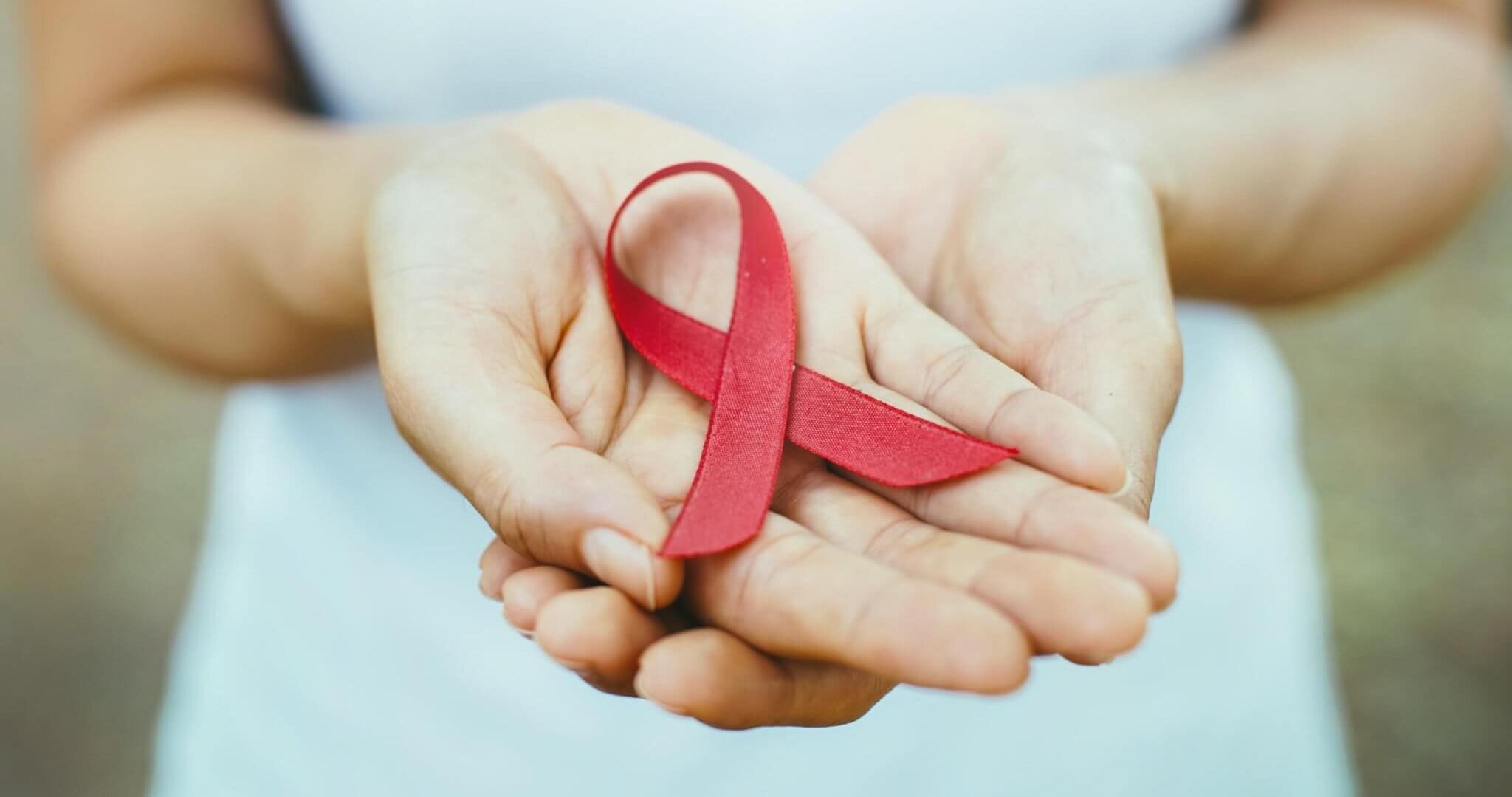
The World Health Organization has marked World AIDS Day with a call for governments to rapidly expand access to new prevention tools, including lenacapavir (LEN). The agency says the long-acting injectable, now approved in South Africa, Zimbabwe, and Zambia, is essential to protect people most at risk as global funding cuts disrupt HIV services.
New tools bring hope amid major funding setbacks
WHO says the twice-yearly lenacapavir injection is a breakthrough HIV prevention option.
It is highly effective and offers an alternative for people who struggle with daily pills due to stigma or adherence challenges.
The organisation updated its HIV prevention guidelines in July 2025, adding LEN as an official PrEP option.
However, the momentum has been threatened by sharp reductions in international aid. Some countries have already scaled back PrEP programs, harm-reduction services, and community-led support.
Dr Tedros Adhanom Ghebreyesus warned that the world:
“critical moment. We have exciting new tools that can shift the trajectory of HIV. Expanding access must be priority number one,” he said.
Global HIV response under pressure
Data show that the HIV response reached a crossroads in 2024:
- 1.3 million new infections
- 49% of new infections among key populations and their partners
- Sex workers and transgender women face a 17-fold higher risk
- Men who have sex with men face an 18-fold higher risk
- People who inject drugs face a 34-fold higher risk
- 40.8 million people living with HIV
- 630 000 deaths from HIV-related causes
The AIDS Vaccine Advocacy Coalition estimates that 2.5 million people lost access to PrEP in 2025 due solely to donor cuts.
WHO warns that this could delay or derail efforts to end AIDS by 2030.
Southern Africa among the first to approve LEN
Lenacapavir received WHO prequalification on 6 October 2025, speeding up national regulatory approvals.
South Africa approved the injection on 27 October, followed by Zambia and Zimbabwe in November.
WHO says it is working with partners, including the Global Fund, CIFF, Unitaid, and the Gates Foundation, to ensure affordable supply.
The agency emphasizes that long-acting HIV medicines must reach priority and vulnerable populations without delay.
Dr Tereza Kasaeva said the world is entering a new era of powerful innovations. With decisive action, we can ensure everyone at risk has access to life-saving services.
Path forward: integrate HIV care into primary health systems
WHO urges countries to embed HIV services into broader primary health care.
The organisation says this approach protects communities from funding shocks and improves long-term resilience.
Community-led groups have shown strong leadership despite disruptions.
WHO believes that investments in rights-based, evidence-driven programs will allow countries to maintain progress and ensure no one is left behind.