

Download the Pondoland Times app to get community stories, local events, lifestyle news, inspiring local features, and important updates from around you.
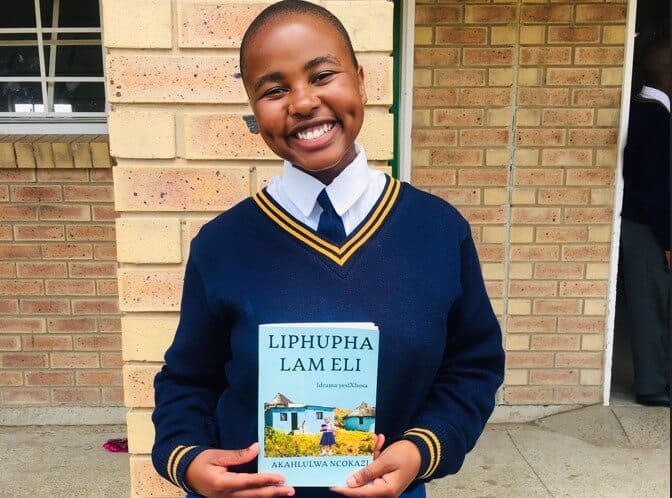
A Grade 11 learner from Idutywa is using her voice to inspire other young people not to give up on their dreams, after publishing her debut isiXhosa book.
Akahlulwa Ncokazi, a student at JS Skenjana Senior Secondary School, recently launched her first book titled Liphupha lam eli during an event held on 28 March. The launch was supported by community members, teachers, friends and family, marking a major milestone for the young writer.
Ncokazi is not only a learner but also serves as secretary of her school’s Representative Council of Learners (RCL) and has started a girls’ empowerment group. Her work is rooted in encouraging young people—especially girls—to believe in their potential despite difficult circumstances.
She says the idea for the book came from what she has seen around her. Many young people, she explains, give up on their goals because of social pressure and challenges. Her story aims to change that mindset by showing that success is still possible.
The book follows a young woman who fights against societal expectations to pursue a career as a doctor. While Ncokazi says the story is fictional, its message reflects real struggles faced by many learners in rural areas.
She wrote the book in just three weeks, supported by people close to her. That backing, she says, made the process easier and showed her the importance of community in helping young people succeed.
Her message is simple but direct: young people must stay focused on their dreams, no matter the obstacles.
For many readers in the Eastern Cape—especially in rural areas like Bizana, Lusikisiki and surrounding villages—Ncokazi’s story reflects a familiar reality. Limited resources, pressure to conform, and lack of opportunities often push learners away from their ambitions. Her achievement shows that creative expression and determination can open new paths.
Her focus on writing in isiXhosa also matters locally. It adds to the growing need for books that reflect the language, identity and lived experiences of young people in the province.
Ncokazi says she plans to write more isiXhosa books in the future, continuing her mission to empower young voices.
Her journey highlights a broader shift—young people in rural communities are beginning to create their own platforms, tell their own stories, and challenge limitations placed on them.
We will update this story as more details emerge about her future projects and community impact.