

Unlock this story — it’s free
Download the Pondoland Times app to get breaking national news, major government updates, public alerts, and important South African stories as they happen.
Political parties have sharply criticised President Cyril Ramaphosa after he confirmed that he will not resign over the Phala Phala scandal and instead plans to challenge the Section 89 independent panel report through a judicial review process.
Ramaphosa addressed the nation following last week’s Constitutional Court ruling that Parliament acted unlawfully when it voted in 2022 not to proceed with an impeachment inquiry linked to the Phala Phala matter.
The Constitutional Court ordered that the independent panel’s report must now be referred to Parliament’s impeachment committee unless the report is first reviewed and set aside by a court.
In his address, Ramaphosa insisted that the court made no finding that he had committed misconduct or violated the Constitution. He said he would continue serving as president and would urgently challenge the panel report, which he believes is legally flawed.
“I therefore respectfully want to make it clear that I will not resign,” Ramaphosa said.
The president argued that seeking a judicial review was necessary to ensure that Parliament’s impeachment process is based on findings that are “correct in law and in fact.”
However, opposition parties quickly accused Ramaphosa of attempting to delay accountability and avoid scrutiny through the courts.
Speaking on SABC News shortly after the address, Sinawo Tambo of the Economic Freedom Fighters said the party expected Ramaphosa to seek a review and claimed the move was an attempt to undermine the impeachment process.
“It’s a delaying tactic,” Tambo said.
He argued that Ramaphosa had previously launched a review application in 2022 before later withdrawing it after the ANC used its parliamentary majority to block impeachment proceedings.
Tambo said the EFF now expects National Assembly Speaker Thoko Didiza to oppose Ramaphosa’s review application because Parliament established the independent panel and is responsible for ensuring accountability.
The EFF also announced that it plans to join court proceedings opposing Ramaphosa’s application.
“We expect the Speaker to continue to establish the impeachment committee and refer the Phala Phala report to the impeachment committee as directed by the Constitutional Court,” Tambo said.
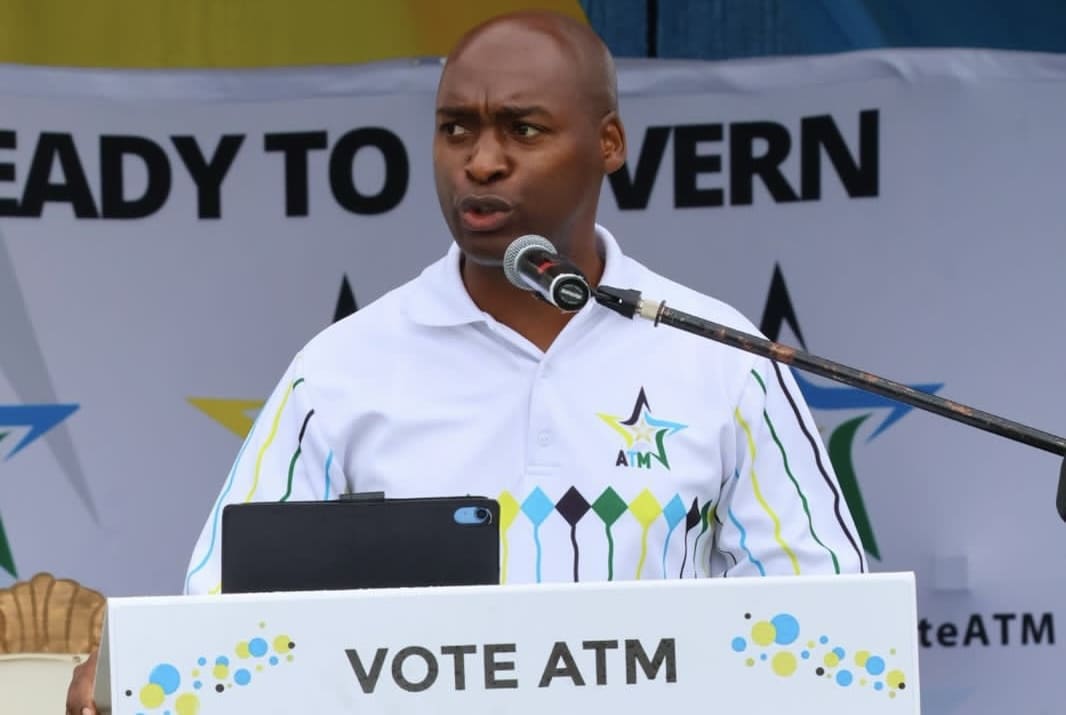
Meanwhile, Vuyo Zungula of the African Transformation Movement accused Ramaphosa of acting in “bad faith.”
Zungula argued that the president failed to challenge the panel report between 2023 and 2026 despite repeatedly insisting that it was flawed.
“For him to fight against being investigated, it shows the type of president he is,” Zungula said.
He claimed Ramaphosa initially used the possibility of a legal review to politically influence ANC MPs ahead of the crucial 2022 parliamentary vote.
According to Zungula, if Ramaphosa genuinely wanted to clear his name, he would have pursued the matter in court long before the Constitutional Court revived the impeachment process.
Lerato Ngobeni of ActionSA echoed similar concerns, saying there was nothing stopping Ramaphosa from reviewing the report earlier if he truly believed it contained legal flaws.
“In our view, this establishes bad faith,” Ngobeni said.
She argued that the president believed he was “off the hook” after ANC MPs voted against impeachment proceedings in 2022.
Ngobeni also questioned unresolved issues surrounding the scandal itself, including the source of the foreign currency allegedly stolen from the president’s Phala Phala game farm and why the money was reportedly hidden inside furniture.
The Phala Phala controversy first emerged publicly in 2022 after former State Security Agency director-general Arthur Fraser laid criminal charges against Ramaphosa over the 2020 burglary at the president’s Limpopo farm.
The independent Section 89 panel later found that information before it disclosed prima facie evidence that Ramaphosa “may have committed serious misconduct and a serious violation of the Constitution.”
Despite the panel’s findings, Parliament voted against establishing an impeachment committee in December 2022.
That decision has now been overturned by the Constitutional Court, placing the Phala Phala matter back at the centre of South Africa’s political and legal landscape.
Legal experts and political analysts say Ramaphosa’s review application could now trigger a prolonged legal battle that may delay Parliament’s impeachment process while courts determine whether the panel’s findings were lawful.
At the same time, opposition parties are intensifying pressure on Parliament to move ahead with impeachment proceedings regardless of the president’s legal challenge.
The renewed political battle is expected to increase pressure on Ramaphosa’s administration at a time when South Africa continues to face economic strain, governance challenges, and growing public frustration over corruption and accountability.