

Download the Pondoland Times app to get breaking national news, major government updates, public alerts, and important South African stories as they happen.
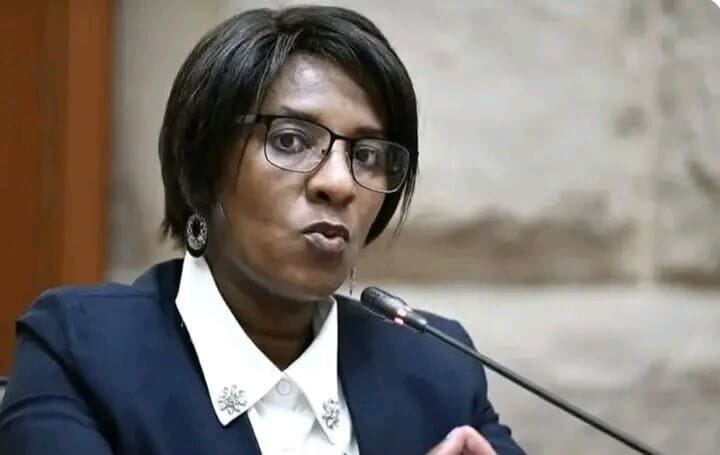
President Cyril Ramaphosa has appointed Advocate Dinkie Portia Dube as South Africa’s next Deputy Public Protector. She will take office on 1 February 2026 for a non-renewable seven-year term, strengthening the leadership of a key constitutional oversight institution.
Her appointment follows the National Assembly’s recommendation, in line with the Public Protector Act of 1994, and celebrates a return to the institution where she previously served in a senior provincial role.
What is happening?
President Cyril Ramaphosa has appointed Advocate Dinkie Portia Dube as South Africa’s new Deputy Public Protector. Her seven-year term will begin on 1 February 2026, in terms of Section 2A(1) of the Public Protector Act, 1994.
The appointment was made on the recommendation of the National Assembly, following the conclusion of the official nomination and selection process.
Why it matters to you
The Deputy Public Protector plays a critical role in holding public institutions accountable. The office investigates improper conduct in state affairs, working alongside the Public Protector to uphold administrative justice and public service integrity.
With extensive experience across multiple oversight institutions, Advocate Dube’s appointment strengthens the leadership capacity of one of South Africa’s most important Chapter 9 bodies.
What you need to know
Advocate Dube brings 20+ years of public service experience, including roles focused on legal oversight, investigation, and complaints resolution:
- Current role: Director-General, Public Service Commission
- Past roles: Chief Director: Operations, Office of the Military Ombudsman, Provincial Director: Gauteng Office, Public Protector South Africa (2011–2014)
Community impact
The appointment of Advocate Dube is expected to bring continuity, experience, and renewed focus to the Office of the Public Protector, particularly in matters affecting vulnerable communities and underserved regions.