

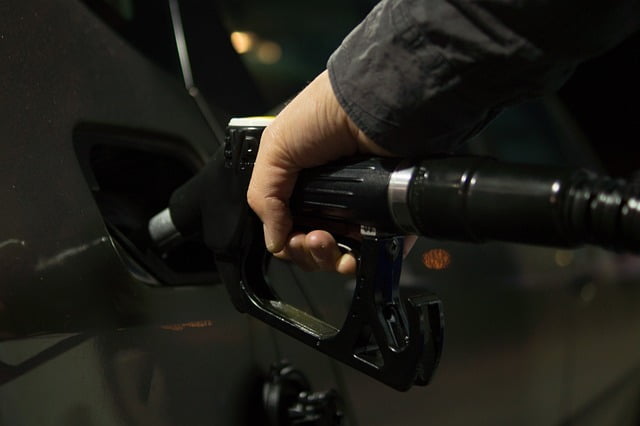
South African motorists will face a sharp rise in fuel prices from Wednesday, 2 July 2025, following official announcements from the Department of Mineral Resources and Energy (DMRE).
What’s Changing at the Pumps:
- 93-octane petrol increases by 55 c/L
- 95-octane petrol up by 52 c/L
- Diesel 0.05% (early grade) rises 82 c/L
- Diesel 0.005% (low-sulphur) increases 84 c/L
- Illuminating paraffin jumps 67 c/L
- LPG sees mixed changes: a 57 c/kg drop in most areas, but a R1.90/kg increase in the Western Cape due to import costs.
New Prices (Approximate)
| Fuel Type | Coastal Price | Inland Price |
| 93 Petrol | R21.00 | R21.79 |
| 95 Petrol | R21.04 | R21.87 |
| Diesel 0.05% | R18.52 | R19.35 |
| Diesel 0.005% | R18.65 | R19.41 |
| Paraffin | R12.14 | R13.16 |
Pricing based on IOL, BusinessTech, and The South African reports.
Advertisement
Why the Jump?
- Geopolitical unrest: The conflict between Israel and Iran in early June pushed Brent crude prices up to ~$75/bbl, averaging $69 in the review period.
- Global oil volatility from Middle East tensions also played a role .
- A stronger rand partially offset increases—without it, petrol would have climbed even more (~68 c/L).
What It Means for You:
- Higher transport costs will likely cascade into increased grocery and service prices.
- Economists believe this could add around 0.6–0.8 percentage points to CPI inflation in July.
- Despite the global oil price drop at month-end, the timing of changes means South Africans are “feeling the pain” at the pump.
Final Word:

Fuel prices haven’t been this high since pre-2023 levels, and with geopolitical risks lingering, analysts warn these cost pressures may persist into the second half of the year. Motorists should plan ahead, and the government-appointed CEF will release the next pricing update on 2 August 2025 .