

Download the Pondoland Times app to get livestock alerts, farming support programmes, weather updates, and agriculture news from your area.
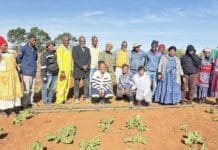
A R512 000 provincial investment aimed at tackling youth unemployment and strengthening rural livestock services has been rolled out in the Eastern Cape, with 13 Animal Health Technicians (AHTs) now equipped to start their own businesses.
The initiative, driven by the Eastern Cape Development Corporation in partnership with the Food and Agriculture Organization of the United Nations and the Eastern Cape Department of Agriculture’s Tsolo Agriculture and Rural Development Institute (TARDI), seeks to transform unemployed graduates into entrepreneurs while improving access to animal healthcare in underserved rural communities.
The 13 beneficiaries, forming the first cohort trained at TARDI, received starter packs that include essential veterinary and biosecurity equipment such as dosing guns, castration tools, microscopes, cooler boxes and mini fridges. The support follows legislative reforms introduced in 2022, which now allow AHTs to operate as private sector service providers.

At the handover event, Eastern Cape MEC for Economic Development, Environmental Affairs and Tourism, Nonkqubela Pieters, described the rollout of Primary Animal Healthcare Facilities as a “critical intervention” that decentralises services and reduces costs for rural farmers. She said the programme would strengthen disease surveillance and improve the province’s response to livestock threats.
Officials say the initiative could also play a role in ongoing efforts to combat outbreaks such as Foot and Mouth Disease, with AHTs expected to collaborate with government and private veterinarians.
One of the beneficiaries, Alfred Nzo-based entrepreneur Zimasa Qwayele, said the equipment would enable her to run a fully operational animal healthcare facility, marking a major step forward for her business.
According to Mthozami Goqwana, Department of Agriculture representative, the programme represents a broader shift in transforming the agricultural sector by unlocking opportunities for skilled but previously unemployed graduates.
Meanwhile, South African Veterinary Services Chief Executive Officer, Mongezi Menye emphasized the urgency of the intervention, referencing a 2021 FAO survey which found that between 32% and 60% of AHT graduates were unemployed despite high demand for services in rural farming communities.
While the programme has been welcomed as a positive step, it remains unclear how many additional cohorts will be supported or whether further funding will be made available to expand the initiative across the province.