
Unlock this story — it’s free
Download the Pondoland Times app for breaking Eastern Cape news, community updates, jobs, and important stories from around you.
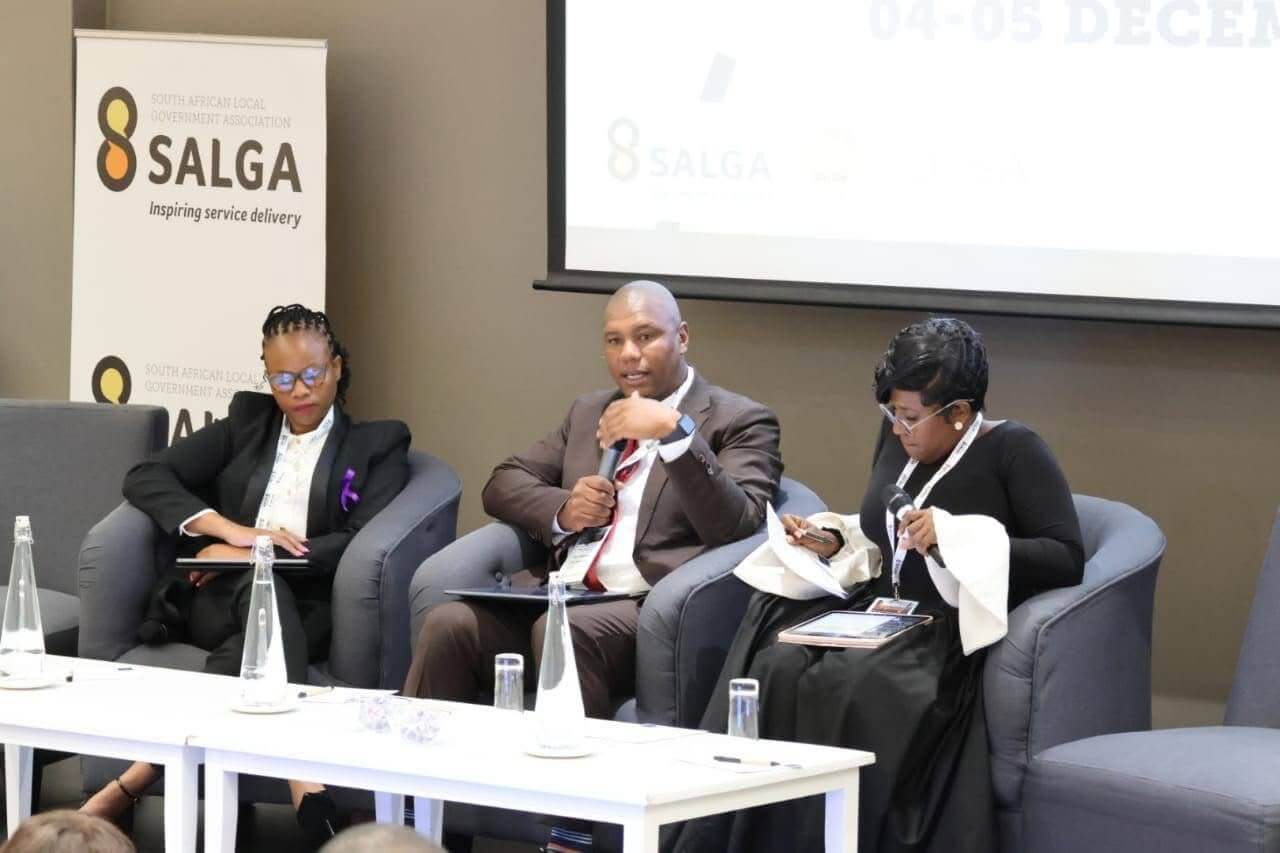
A national panel discussion on municipal sustainability has outlined what it will take for municipalities to move from survival mode to future-ready, financially stable institutions. The conversation focused on revenue, leadership, planning, and basic service delivery.
The panel’s insights revealed urgent steps needed to strengthen local government and support communities that rely on it daily.
Back to Basics: Service Delivery Comes First
Experts stressed that municipalities must refocus on their core mandate. Reliable water, electricity, roads, and waste management remain the foundation of a functional municipality.
However, many local administrations struggle to meet these obligations. Ageing infrastructure, inadequate maintenance, and weak internal systems continue to undermine service delivery.
In addition, panelists warned that sustainability is impossible without restoring public trust. Communities lose confidence when services fail, revenue drops, and municipalities enter a cycle of decline.
Revenue Pressures Hit Local Government Hard
Municipalities are facing major revenue challenges. Declining collection rates, economic hardship, and pressure on traditional revenue streams are deep concerns.
Panelists also noted the financial impact of alternative energy, which reduces electricity-based income. As a result, municipalities must rethink revenue models while protecting vulnerable households.
Financing gaps remain wide. Grant funding is limited, and many municipalities underuse borrowing due to fear of long-term debt. The panel called for innovative funding options, including public-private partnerships, supported by clear legislation and strong oversight.
Skills, Leadership, and Stronger Partnerships
Experts agreed that professionalizing local government is essential. Many rural municipalities lack engineers, planners, and finance specialists. This skills shortage weakens governance and slows development.
Leadership also matters. The panel said municipalities need ethical, accountable leaders who can drive growth, tackle corruption, and strengthen internal controls.
Long-term planning was another key message. Municipalities must integrate development plans, work closely with traditional leaders on land use, and build partnerships that unlock local economic opportunities.
A Path Toward Sustainable Municipalities
The discussion made one point clear: survival mode cannot continue. Municipalities need stronger financial systems, skilled personnel, and partnerships that support credible long-term planning.
If these steps are taken, municipalities can shift from crisis response to real sustainability and deliver the services communities deserve.