
Unlock this story — it’s free
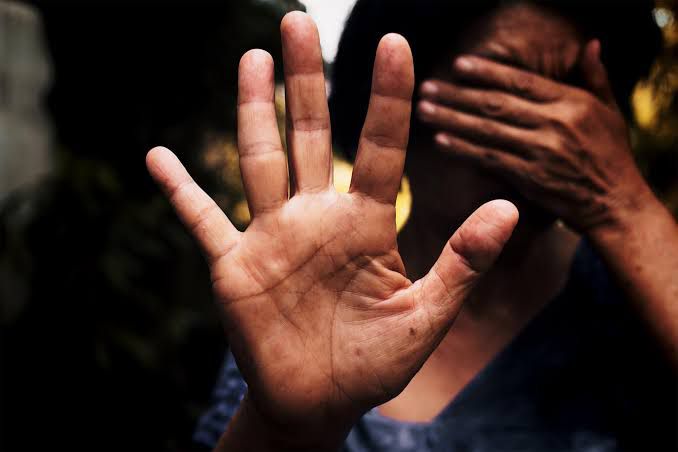
A new report by the World Health Organization (WHO) and UN partners reveals that 840 million women worldwide have faced partner or sexual violence.
The study, released ahead of 25 November, shows almost no progress since 2000 despite calls for global action.
South Africa Context
South Africa’s high rates of gender-based violence make the findings especially relevant.
The report warns that violence starts early, with 16% of girls aged 15–19 experiencing physical or sexual abuse in the past 2025.
What the Report Found?
The report analyzed data from 168 countries between 2000 and 2023.
Key findings include:
- 1 in 3 women face partner or sexual violence in their lifetime.
- 316 million women were abused in the past 12 months.
- Only 0.2% annual progress has been made since 2000.
- 263 million women have suffered non-partner sexual violence.
- Funding for prevention programs is collapsing.
WHO Director-General Dr Tedros Adhanom Ghebreyesus said the crisis remains “one of humanity’s oldest and most pervasive injustices.”

Global Hotspots
Violence is highest in:
- Oceania (excluding Australia and New Zealand): 38%
- Central and Southern Asia: 18%
- Sub-Saharan Africa: 17%
Experts warn that conflict, poverty, and climate instability increase risk.
Impact on Women
Violence leads to severe health and social harms, including:
- Higher risk of unintended pregnancy
- Mental-health consequences
- Risk of sexually transmitted infections
- Long-term physical trauma
UNFPA Executive Director Diene Keita said many women face “deep and lasting harm compounded by discrimination.”
Calls for Action
The report urges governments to:
- Scale up evidence-based prevention
- Improve survivor-centered services
- Invest in data and local research
- Strengthen laws that protect women and girls
UNICEF’s Catherine Russell said many survivors first face violence as teenagers, warning that the “pattern must be broken now.”
Why This Matters?
Gender-based violence remains one of South Africa’s most urgent human-rights crises.
The WHO says the world cannot claim progress while women “live in fear” across generations.