
- Community Opposition to N2 Toll Highway: The Amadiba Crisis Committee (ACC) criticizes SANRAL’s attempts to force community consent for the controversial N2 Wild Coast Toll Highway without following proper land rights procedures or traditional governance.
- Irregular Community Meetings and Lack of Official Recognition: SANRAL’s planned community resolution meeting in Mdatya is alleged to be unofficial, with no proper announcement or recognition of previous community objections, aiming to retroactively justify earlier problematic meetings.
- Disregard for Traditional Authority and Land Rights: Traditional leaders from Amadiba have refused to support SANRAL’s meetings conducted outside the traditional framework, highlighting the exclusion of key land rights holders from decision-making processes.
- Allegations of Exclusion, Intimidation, and Coercion: The ACC reports that SANRAL-backed meetings excluded important community members, involved coercive tactics such as signing under duress, and used police and armed individuals to intimidate dissenters, violating land rights laws.
- Conflict over Coastal vs Inland Route Options: While SANRAL claims community support for the coastal route exists, the ACC emphasizes that most inland residents oppose it and have proposed a different route to protect coastal areas, demanding transparent dialogue.
The Amadiba Crisis Committee (ACC) has sounded the alarm over what it calls a renewed campaign by the South African National Roads Agency (SANRAL) to force community consent for its controversial N2 Wild Coast Toll Highway coastal route through Amadiba traditional land — without adhering to legitimate land rights procedures or traditional governance structures.

A statement issued on Monday, 4 August 2025 by the ACC condemns a planned “Ward 28 community resolution meeting” scheduled for Tuesday, August 5 in Mdatya, a remote coastal village. The ACC alleges that this meeting is being convened by business and taxi stakeholders in coordination with SANRAL’s Public Liaison Officers, following an informal gathering in Mdatya on Saturday.
“The meeting was never officially announced and was only mentioned at a funeral in Sigidi,” said the Committee. “It aims to retroactively cover up the failure of a previous SANRAL meeting on 23 July in Mdatya, which collapsed under community objections and intimidation allegations.”
Traditional Authority Snubbed
On 22 July, Amadiba’s traditional leaders — including the chief, coastal headman, and over 20 indunas — formally told SANRAL, the Department of Land Reform and Rural Development (DLRRD), and the Mbizana Mayor that the Komkhulu (Great Place) had not been properly informed of the N2 project and would not support meetings held outside the traditional framework for deciding on communal land use.
Despite this, SANRAL and DLRRD allegedly pushed forward with closed-door meetings that have since sparked widespread community backlash.
Amadiba Crisis Committee, Traditional Leaders Challenge SANRAL and DLRRD Over N2 Wild Coast Project
Allegations of Exclusion, Intimidation, and Fraudulent Resolutions
According to the ACC, these recent meetings—facilitated by Ward 25 Councillor Mphetha Ndovela—excluded key land rights holders from villages like Phandulwazi, Moscow, and Gcinesizwe. In several cases, residents were reportedly locked out of public venues or denied access to resolution documents. In Jama, an entire meeting was canceled when local opposition became evident.
The Committee further accuses Ndovela of:
- Personally signing “community resolutions” and coercing handpicked attendees to countersign without community consensus
- Blocking residents from taking photos or reviewing the content of said resolutions
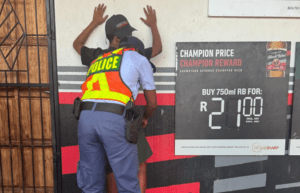
- Deploying SAPS officers to prevent entry into meetings, including threatening community members with trespassing charges
- Allowing armed individuals into sessions while excluding dissenters
“All this occurred in violation of the Interim Protection of Informal Land Rights Act (IPILRA),” the statement said. “This process is illegitimate and deeply harmful to our collective land governance.”
Amadiba and Khanyayo Communities Raise Alarm Over N2 Wild Coast Highway Impact
Coastal vs Inland Route Divide
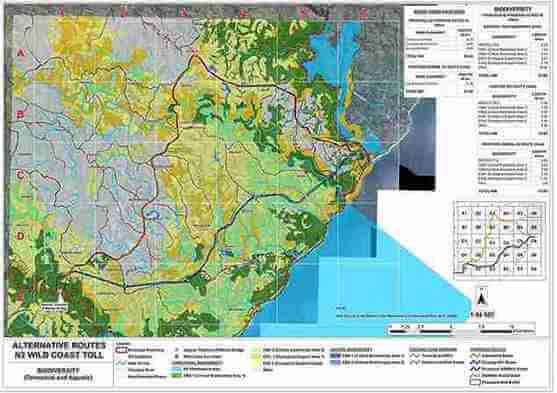
Despite SANRAL’s claims that “community resolutions” supporting the coastal route exist from past meetings in 2020 and 2021, the ACC insists that overwhelming opposition remains — especially from residents on the coast, who have long proposed an alternative route that avoids sensitive coastal areas.
A joint memorandum issued on 12 May demands SANRAL appear before the Dangeni and Xolobeni Komkhulu for formal community imbizos, where both SANRAL and ACC-appointed experts can present route alternatives in a structured and transparent dialogue.
“If SANRAL is allowed to continue, the damage to Amadiba’s community cohesion will be irreversible,” the ACC warned.
The Committee says it will continue to resist what it sees as unlawful attempts to coerce consent and urges the national government to intervene and respect traditional processes and legal protections for informal land rights holders.
Frequently Asked Questions
- What is the N2 Wild Coast Toll Highway project?
The N2 Wild Coast Toll Highway is a planned major road project by SANRAL, aiming to connect the Eastern Cape and KwaZulu-Natal more efficiently. However, its proposed route through the Amadiba coastline has sparked controversy due to concerns about environmental impact and lack of proper community consultation. - Why is the Amadiba Crisis Committee opposing the project?
The ACC believes SANRAL is bypassing legitimate traditional governance structures and the legal rights of informal landholders. They argue that meetings to secure community consent have been exclusionary, intimidating, and procedurally flawed. - What are the accusations against SANRAL and local officials?
Allegations include holding closed-door meetings, intimidating dissenters, using police to block entry to public venues, and signing fraudulent “community resolutions” without transparency or community consensus. - Has the local traditional authority been consulted properly?
Allegedly not. Traditional leaders, including the Amadiba chief and indunas, have stated that Komkhulu was not properly informed and that decisions about communal land must follow traditional consultation processes. - What legal protections apply to the land in Amadiba?
The Interim Protection of Informal Land Rights Act (IPILRA) provides safeguards for people living on communal land, requiring informed and inclusive consultation before land use decisions are made. - Is there an alternative to the coastal route for the N2?
Yes. Many Amadiba residents and experts have proposed moving the N2 route inland to avoid sensitive environmental zones and protect coastal community cohesion. - What is the ACC demanding now?
The ACC is calling for formal public imbizos at Dangeni and Xolobeni Komkhulu, where SANRAL and community-appointed experts can present all route options in a transparent and lawful forum.