

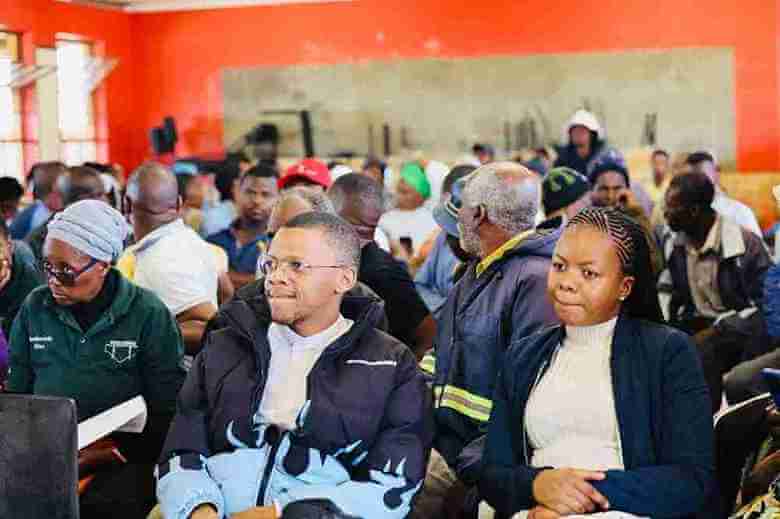
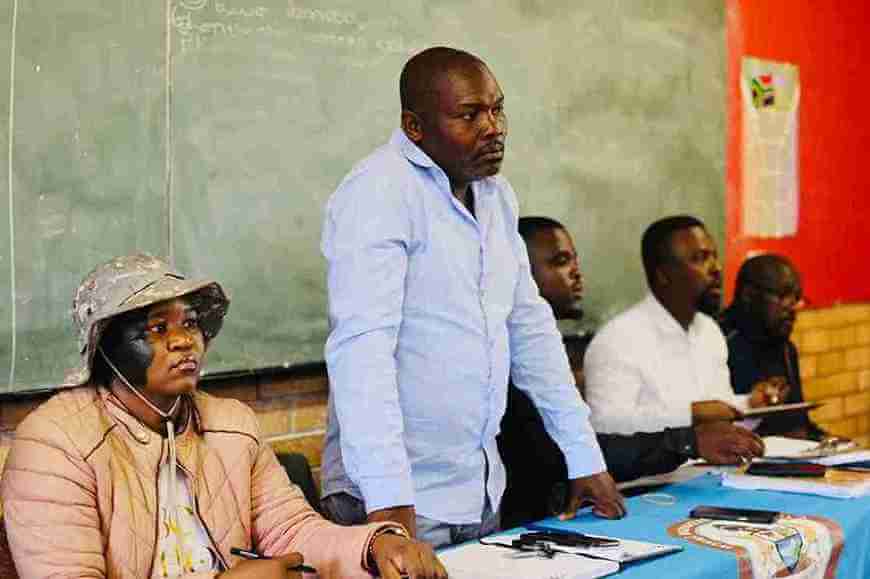
Momentum around the N2 Wild Coast Road Project continues to build as government agencies and communities clash over the future of the multi-billion-rand development. This week, community meetings organized by SANRAL, the Department of Rural Development and Land Reform (DRDLR), and the Winnie Madikizela-Mandela Local Municipality (WMMLM) were held in Baleni, Xholobeni, and Khumbuza villages (Ward 25). According to the municipality, the meetings were “met with strong local support.”
The gatherings aimed to update residents on the rollout of the road, which is touted as one of the Eastern Cape’s most significant infrastructure projects. SANRAL officials assured the public that the road would unlock economic opportunities, improve connectivity between rural areas, and create jobs. Councillor N. Dlamini, who attended the Baleni meeting, thanked residents for their cooperation: “Together, we can ensure this project is completed successfully and on time,” Dlamini said.
Mixed Reactions From the Community
While municipal officials have cited growing community support, reactions on social media reflect ongoing divisions. One resident, Qamatha WaseLenge, commented on the municipality’s Facebook page:

Finally they see the importance of it, not the people who came and closed it at that time and lived with the whites in Margate.”
Others, however, questioned whether local businesses and workers are benefiting. Sinothando Sinkila wrote:
Are local small businesses benefiting but are they?? Because it seems that people from far away are being given jobs…there are small businesses too, give them the opportunity to benefit. Thank you?”
Amadiba Crisis Committee Holds Firm
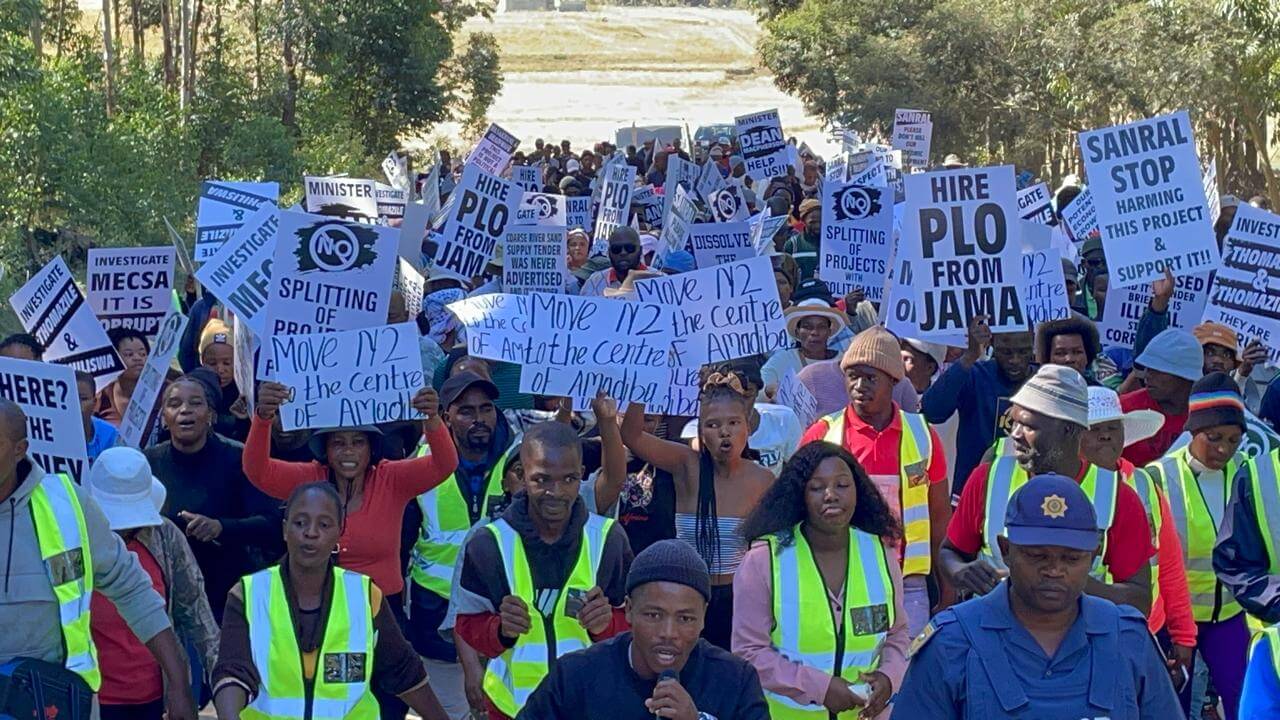
The meetings follow a statement released on Monday by the Amadiba Crisis Committee (ACC), which has long opposed SANRAL’s current coastal alignment. The ACC argues that the road will bisect villages, damage sensitive ecosystems, and pave the way for renewed mining interests in the region. They are calling for the route to be moved 12–18 km inland to the centre of Amadiba after the Mtentu mega bridge.
“The road must not be built here. It must be built more inland,” the ACC stated. They argue that their proposed Alternative Inland Route (AIR) would better protect biodiversity, reduce the displacement of families, preserve food security, and still deliver 90% of the transport gains of SANRAL’s preferred route. Their recently published booklet, The Struggle for People’s Development, details the environmental and social risks of the coastal alignment and calls for a mid-term project review by government.
Traditional Leaders Join the Debate
As previously reported by Pondoland Times, some traditional leaders have joined the ACC in challenging SANRAL and the DRDLR over the project’s implementation. They accuse authorities of bypassing communities in decision-making processes and undermining the customary land rights of coastal Amadiba villages.
The municipality, however, maintains that all affected residents will be fairly compensated and that the meetings are proof of its commitment to consultation.
A Project at a Crossroads
The N2 Wild Coast Road Project, approved in 2011, has been beset by delays, cost overruns, and protests. Its budget has ballooned from R6.4 billion in 2008 to R23.5 billion in SANRAL’s latest annual report. Construction on the Amadiba section, which remains the most contentious, has not yet begun.
The ACC has written directly to the President requesting a meeting and warning that unless the route is changed, conflict around the project will intensify. “We are not against the road,” the committee wrote. “But it must respect our rights, our land, and our future.”
What Happens Next?
While SANRAL presses ahead with community engagements and the municipality touts growing support, the ACC’s campaign shows no sign of slowing. With over 1,200 residents attending imbizos and technical consultations, the inland route proposal is gaining traction among sections of the community.
The coming months will be critical in determining whether the government proceeds with its coastal alignment or is forced to revisit the route in light of mounting environmental, social, and legal pressure.