
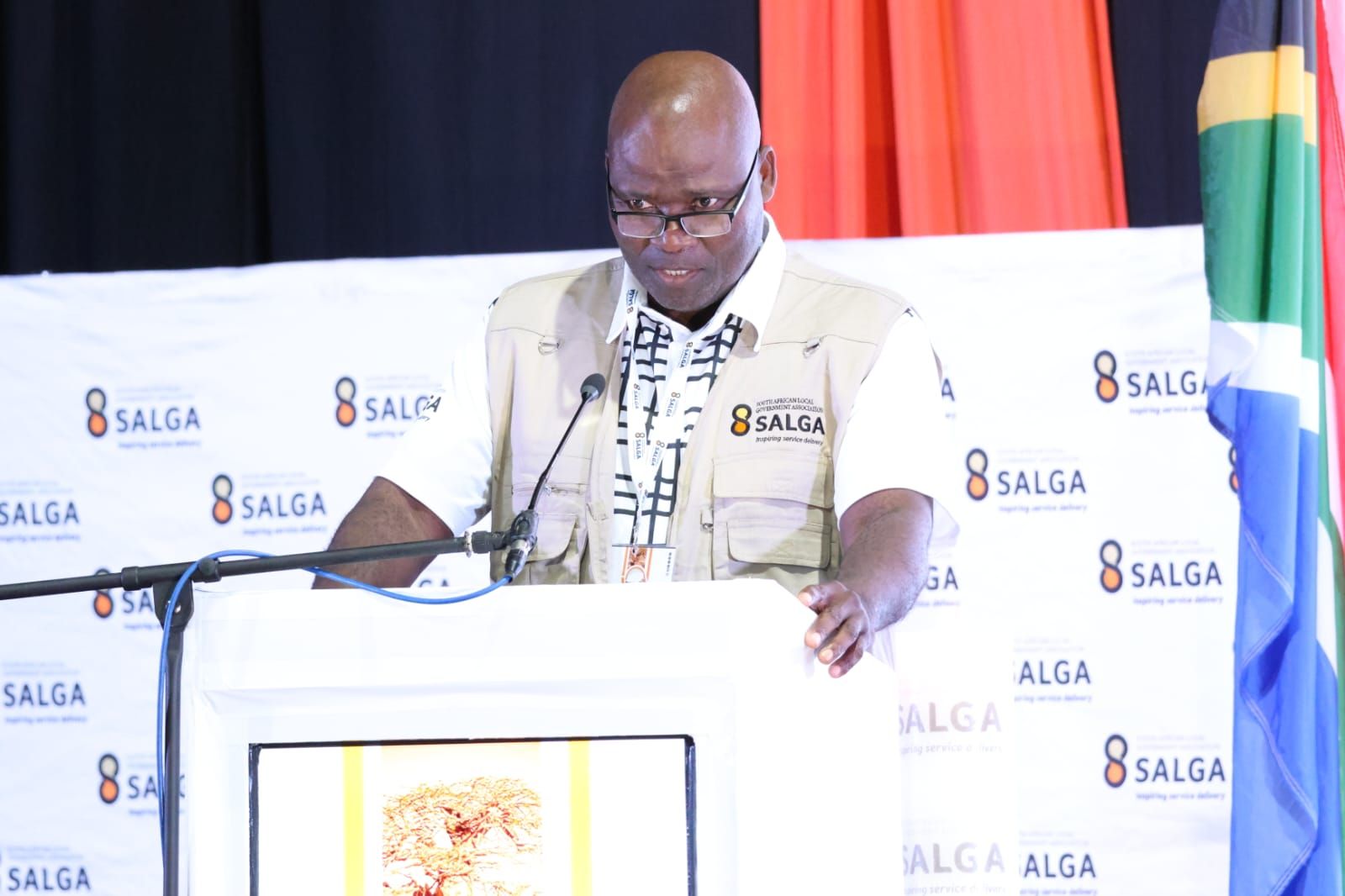
The South African Local Government Association (SALGA) presented its 2024/25 Annual Report to the Portfolio Committee on Cooperative Governance and Traditional Affairs (COGTA) at Parliament on Tuesday, 9 September 2025. The organisation reported 98% performance against targets and a 13th consecutive unqualified audit, positioning itself as a driver of ethical leadership and improved municipal delivery.
What Happened
SALGA’s leadership—President Cllr. Bheki Stofile, CEO Mr. Sithole Mbanga and CFO Ms. Thembeka Mthethwa—briefed MPs on a year of capacity-building, advisory support and advocacy. Highlights included a 98% achievement rate (90 of 92 annual targets) and continued clean audit outcomes, which the Association frames as proof of prudent governance and transparency. Committee members acknowledged the strong organisational performance and pressed for measurable gains in municipal-level governance and service delivery.
The briefing also outlined support programmes ranging from oversight and consequence-management training to financial sustainability, audit support, revenue management and digital-maturity initiatives delivered to municipalities nationwide.
Official Response
SALGA’s president reaffirmed the Association’s mandate:

“As the voice of local government, SALGA will continue to champion accountability, ethical leadership and service excellence… and ensure that communities see real improvements in governance and service delivery.”
The CEO highlighted the annual report’s thematic “eight highlight areas,” including municipal capacity-building, service-delivery support, councillor training, innovation and international partnerships, adding that the work “demonstrates an organisation that is not only stable and financially sound, but one that is driving tangible impact.”
Community Impact
According to the briefing documents, SALGA’s programmes supported municipalities on oversight/anti-corruption, performance-management digitisation, waste and water services, energy transition, spatial planning/SPLUMA, community safety, and youth and women’s inclusion—efforts intended to bolster accountability, improve basic services and strengthen local economies.