
- Crisis in the Minibus Taxi Industry: The Western Cape’s R7 billion minibus taxi sector faces a growing threat from widespread fake operating licences, endangering safety and governance.
- Impact of Fake Licences: Fake licences fraudulently issued to illegal operators are linked to increased violence, turf wars, and systemic issues like gang violence and route conflicts.
- Key Industry Statistics: The taxi industry, valued at R7 billion and serving thousands daily, has seen hundreds of fake licences confiscated, highlighting the scale of the crisis.
A high-level Taxi Peace Summit hosted in the Western Cape has revealed a deepening crisis threatening the backbone of the province’s public transport system: a flood of fake operating licences within the R7 billion minibus taxi industry.
The summit, convened by Resolve and Change Systems (RACS) in partnership with the Western Cape Government and the South African National Taxi Council (SANTACO), aimed to foster peace, accountability, and professionalisation in a sector that remains South Africa’s most relied-upon mode of transport.
According to Professor Nomafrench Mbombo, MPP and DA Western Cape Spokesperson on Mobility, the summit “marked a turning point” for the industry’s future. “Dialogue is not just a talking point; it’s a tool for transformation,” she said.
Fake Licences: A Threat to Safety and Governance
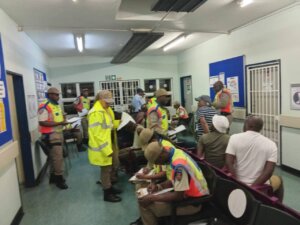
The Western Cape Department of Mobility’s Provincial Regulatory Entity (PRE) revealed at the summit that hundreds of fake operating licences have been confiscated during enforcement operations. These fraudulent documents, often linked to illegal operators and criminal syndicates, have worsened violence, over-trading, and turf wars within the industry.
“These fake licences do not just bypass regulation; they endanger lives, undermine legitimate operators, and escalate tensions between associations,” Mbombo warned. “We cannot allow illegal taxis to flood our roads unchecked.”
The crisis has also contributed to other systemic issues, including:
- Gang-related violence
- Unlawful floor-crossing between associations
- Route conflicts and duplication
- Oversaturation on high-demand taxi corridors
A Roadmap for Reform
The Peace Summit provided a neutral platform for regional taxi associations, government officials, and stakeholders to identify root causes of instability and co-develop sustainable solutions. Associations have now been tasked with reporting back to their regions and implementing agreed reforms. Government, in turn, must monitor compliance and ensure accountability.
“The DA in the Western Cape stands firmly behind efforts to restore order and trust in this vital industry,” Mbombo said. “The next step is action — from national, provincial, and regional levels.”
She added that the Western Cape Government’s continued partnership with SANTACO and the PRE would be key to professionalising the taxi sector, safeguarding commuter rights, and ensuring lawful operation across the province.
Sector by the Numbers:
- R7 Billion – Estimated value of the minibus taxi industry in the Western Cape
- Thousands – Number of taxis operating daily, serving the majority of public transport users
- Hundreds – Fake licences already confiscated by enforcement authorities