
Why It Matters
The disbandment of the Police Killing Task Team (PKTT) has raised questions about transparency, executive oversight, and trust in law enforcement.
South Africans are asking:
- Was President Ramaphosa informed before the task team was dissolved?
- Did the move weaken investigations into police-linked corruption?
- Who advised Minister Senzo Mchunu to retract his decision?
Key Facts at a Glance
| Detail | Information |
|---|---|
| Minister involved | Senzo Mchunu (Public Service & Administration) |
| President briefed | Yes — according to Mchunu |
| Task team name | Police Killing Task Team (PKTT) |
| Purpose of PKTT | Investigate police killings and internal corruption |
| Reason for disbandment | Overlapping mandates, administrative efficiency |
| Controversy | Opposition parties allege political interference |
| Parliamentary hearing | October 2025, Ad Hoc Committee on Police Conduct |
What Happened
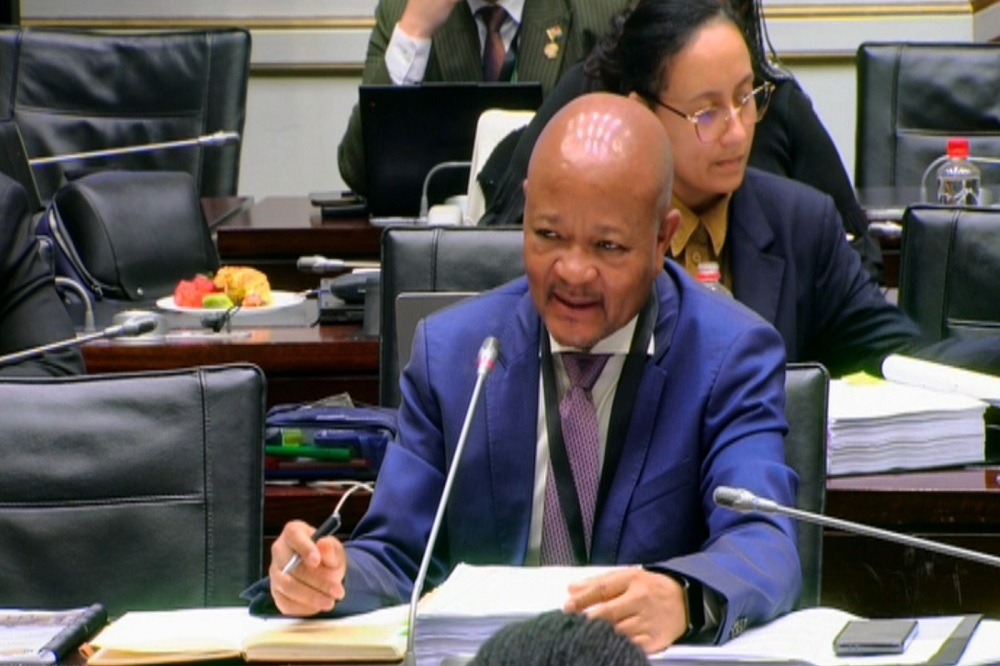
Minister Senzo Mchunu told Parliament this week that President Cyril Ramaphosa was informed before he decided to dissolve the Police Killing Task Team (PKTT).
He insisted that the decision followed consultations with senior officials and that it was not driven by politics.
“I did not act on impulse. I consulted the President and followed due process,”
— Senzo Mchunu, addressing the Ad Hoc Committee.
Mchunu said his adviser later urged him to withdraw the disbandment letter to ensure compliance with procedural norms.
Official Response
Opposition MPs pushed back, demanding documentary proof of Ramaphosa’s briefing.
The EFF and DA both accused the Minister of inconsistency, claiming the President’s office was initially unaware of the move.
Mchunu maintained that the task team’s functions were duplicating SAPS operations.
His rationale included:
- Reducing administrative overlap within police divisions.
- Preventing confusion over command and accountability.
- Improving coordination through existing anti-crime units.
“It was never about protecting anyone — it was about ensuring efficiency,” he said.
Community Reaction
Civil society groups and policing watchdogs fear that shutting down the PKTT could undermine investigations into criminal networks inside law enforcement.
Community concerns include:
- Reduced oversight over internal police corruption.
- Increased risks for whistle-blowers and officers investigating police-linked crimes.
- Erosion of public trust in the justice system.
“This decision affects accountability and public confidence,” said one legal expert observing the hearing.
What’s Next
The Ad Hoc Committee will continue hearings next week, calling:
- Senior SAPS officials,
- Former PKTT members, and
- Representatives from the Presidency.
Their testimonies will determine whether the disbandment followed proper executive procedures.
📎 Related Links: