

Unlock this story — it’s free
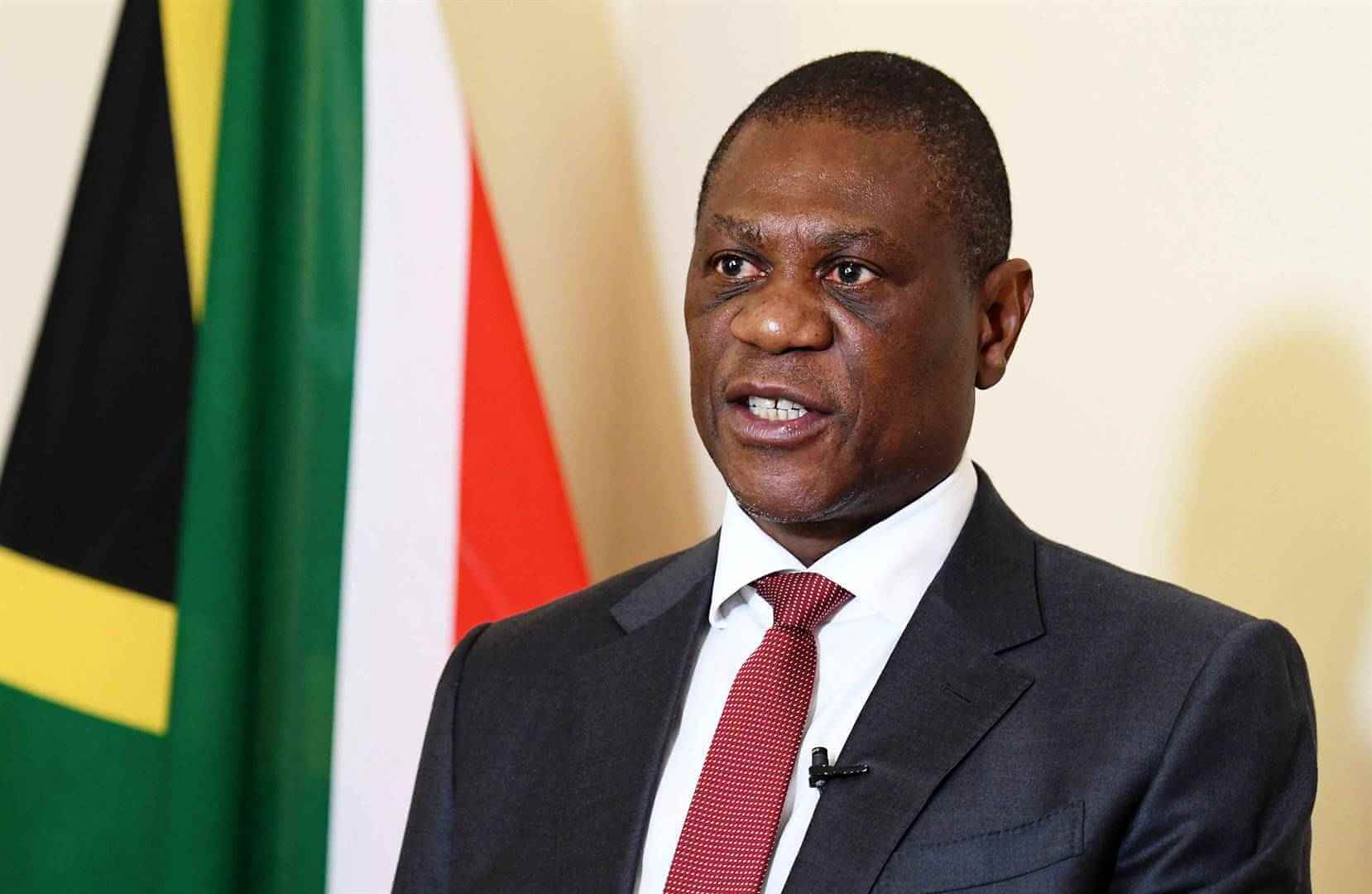
Deputy President Paul Mashatile has called on SADC Parliaments to intensify climate action as women and young people face rising risks from droughts, floods, and worsening environmental shocks. He delivered his message to the 58th Plenary Assembly of the SADC Parliamentary Forum (SADC PF), hosted at the Durban ICC.
Mashatile could not attend in person due to government commitments but stressed that parliaments must lead climate mitigation, adaptation, and gender-sensitive policymaking across the region.
G20 outcomes set tone for regional climate priorities
Mashatile said the plenary follows the historic G20 Summit hosted in South Africa, where leaders adopted a declaration anchored in solidarity, equality, and sustainability. He outlined commitments to peace, fair debt treatment, renewable energy expansion, and improved representation for Sub-Saharan Africa in global institutions.
He noted the push to connect 300 million Africans to electricity by 2030 and the growing global support for clean cooking solutions, energy efficiency, and sustainable critical minerals.

“The world is moving. Our region cannot be left behind,” he said.
Women and youth face the harshest climate impacts
The Deputy President warned that climate change is deepening vulnerabilities for women, girls, and young people. Droughts, floods, crop failures, and water shortages are pushing families into hardship.
Women, who remain primary caregivers and providers of food, water, and fuel, bear the heaviest burden when resources become scarce. Mashatile emphasised that climate shocks increase health risks, unpaid labour, and exposure to exploitation and violence.
He also raised concern about rising school dropouts among girls when households experience climate-related stress, and the link between these pressures and early or forced marriages.
“Young people are losing opportunities and facing forced migration as climate shocks grow stronger,” he said.
Parliaments told to strengthen laws and accountability
Mashatile urged SADC Parliaments to:
- Align domestic laws with regional and global climate agreements
- Mainstream gender considerations in all climate policies
- Facilitate access to renewable energy
- Create fair conditions for local mineral beneficiation
- Increase resources for climate adaptation programmes
- Monitor implementation to ensure transparency and impact
He stressed the need for public participation, community dialogues, and inclusion of local knowledge in national climate strategies.
“Parliaments must be the bridge between government and communities,” he said.
South Africa’s national progress detailed
Mashatile noted that President Cyril Ramaphosa signed the Climate Change Act in 2024.
The law outlines South Africa’s long-term climate response, mitigation pathways, and national resilience plans. It also aims to protect jobs while unlocking green-economy opportunities.
He reiterated Parliament’s commitment to clean governance and anti-corruption measures as part of the broader climate and development agenda.
A call for regional unity
Mashatile urged SADC countries to improve accountability reporting at future sessions. He called for detailed tracking of progress made by national parliaments in implementing climate commitments.
“We must act with urgency. Women and youth are at the frontlines,” he said.
“Together, we can strengthen resilience and ensure our region thrives despite the climate crisis.”