

Unlock this story — it’s free
The Eastern Cape MEC for Public Works, Infrastructure and Human Settlements, Siphokazi Lusithi, on 11 November 2025 led a strategic engagement session in East London aimed at translating the provincial government’s 7th Term Interventions into practical. Departments of Public Works and Infrastructure and Human Settlements, including HOD Phucuka Penxa and HOD Edmond Venn, attended the session.
What Happened
The session focused on improving coordination between the two departments to ensure that infrastructure and housing projects are efficiently executed within budget and schedule. Discussions emphasized the need for risk-based planning, better alignment of limited financial resources, and strict adherence to the Medium-Term Development Plan (MTDP) and Service Delivery Agreement commitments.
Other priorities included the strengthening of performance monitoring systems, enhancing legislative compliance, and ensuring that infrastructure projects contribute meaningfully to the province’s Game-Changers Program, initiatives designed to drive sustainable development and economic growth.
Official Response
Both HODs reaffirmed their commitment to stronger collaboration and accountability across departments. They emphasized that the integration of planning processes will not only improve delivery but also build a more transparent and efficient public service.
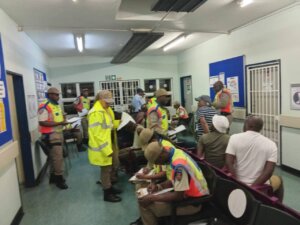
“We are aligning every project with provincial priorities to ensure measurable impact,” said Phucuka Penxa, HOD for Public Works and Infrastructure. “This session marks a shift toward a more performance-driven approach.”
Edmond Venn, HOD for Human Settlements, added that the focus on data-driven decision-making would enhance service delivery outcomes and strengthen partnerships with municipalities.
Community Impact
The outcomes of this planning session are expected to accelerate infrastructure delivery and improve housing development across the Eastern Cape. By integrating strategic planning and monitoring, the province aims to ensure that public investments translate into tangible improvements in the lives of residents, particularly in rural and underdeveloped areas.
Residents can expect more efficient project implementation, better use of public funds, and a renewed focus on delivering essential infrastructure that supports economic and social upliftment.