

The Eastern Cape Development Corporation (ECDC), in partnership with the Swiss Import Promotion Programme (SIPPO), has unveiled the Eastern Cape Natural Ingredients Export Promotion Strategy, a plan to grow the province’s natural ingredients exports by 25% within three years — from R4,2 million to R5,25 million.
The initiative aims to position the province’s producers in new global markets, with a focus on North America, the United Kingdom, Europe, and Switzerland. Strong growth opportunities have also been identified in Asia, including Japan, China, South Korea, and India, where demand for health, wellness, and organic products continues to surge.
Under the strategy, the ECDC is committing to:
- Opening five new international markets.
- Securing at least 15 new product certifications.
- Training and engaging more than 100 Micro, Small, and Medium Enterprises (MSMEs) across the export value chain.
“The strategy is designed to boost the export of natural ingredients from the Eastern Cape by identifying international opportunities, positioning local producers as global suppliers, and helping them overcome market access barriers,” said Linda Lubengu, ECDC Trade Promotion Specialist.
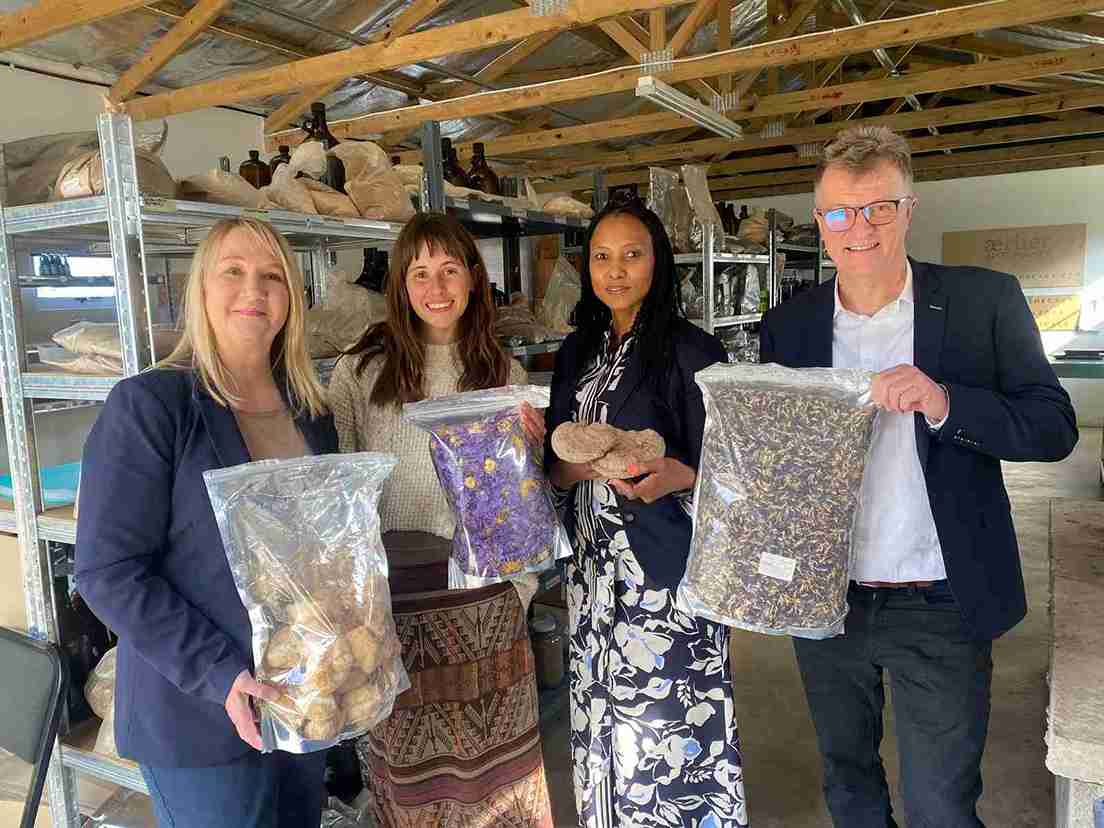
Lubengu noted that while the province is rich in natural resources, including aloe ferox, honeybush, rosemary, hemp, rose geranium, artemisia afra, African sage, and honey, these industries remain underdeveloped for export. SIPPO’s partnership, she explained, has helped map the existing landscape — identifying available products, active exporters, target markets, and the barriers that have hindered growth.

Groundwork for Expansion
For the 2025/26 financial year, the ECDC will prioritise a province-wide mapping exercise to assess producers’ needs, provide market intelligence, and prepare businesses for international readiness. Once this groundwork is complete, producers will be supported in promoting their products abroad.
The development of the strategy involved consultations with the Department of Trade, Industry and Competition (the DTIC), South African export councils, the Eastern Cape Department of Economic Development, Environmental Affairs and Tourism, and the Eastern Cape Department of Agriculture.
Lubengu emphasised that international trends toward natural health remedies and sustainable products present a timely opportunity for the province.
“The Eastern Cape is home to a wealth of botanical resources with innovative applications across industries such as cosmetics, skincare, pharmaceuticals, food and beverage, and traditional medicine,” she said.
Many of these plants, once harvested from the wild, have now entered the formal economy, proving their value on larger platforms. With global demand rising, the province’s unique biodiversity offers both economic potential and conservation value.