

Unlock this story — it’s free
BKB has strengthened communal farming in Sterkspruit with a major livestock investment.
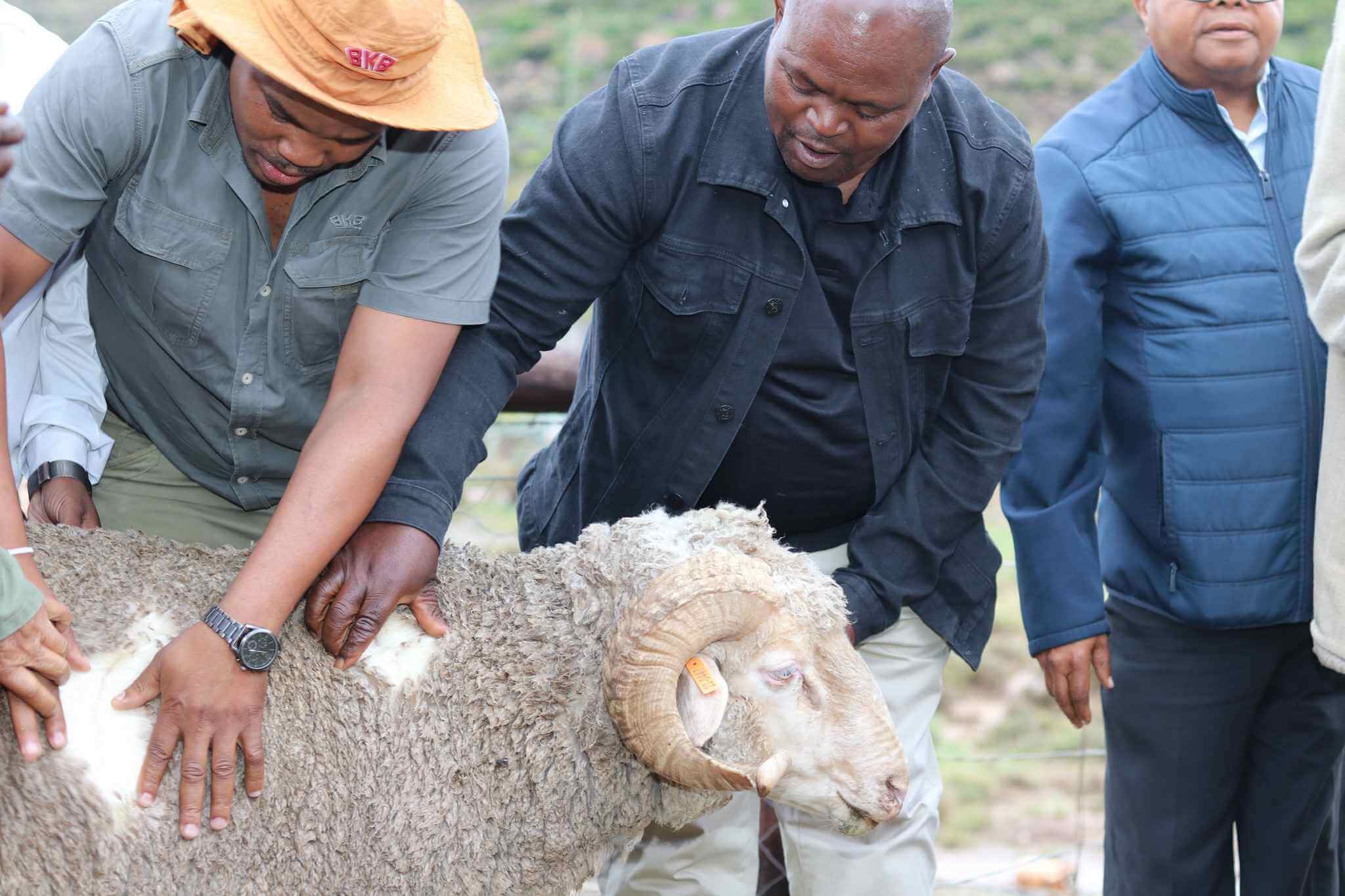
On 27 November 2025, the company handed over 51 Merino rams to farmers from four villages.The event took place at Ndofela Village, where beneficiaries gathered to receive the new breeding stock.
The intervention supports farmers from Ndofela, Jozana’s Nek, Mfinci and Mdlokovana. These communities play a key role in wool production in the Senqu Local Municipality.
However, many rely on aging genetics, limited breeding support and inconsistent market access.
BKB says the rams will help close this gap and lift the quality of communal wool entering commercial markets. The handover was led by BKB Eastern Cape Communal Farmers Senior Field Officer, Mr Zolani Faye.
He coordinated transport, verification and the distribution process.
Faye said the initiative forms part of BKB’s long-term commitment to communal producers in the region.
“High-quality rams improve flock performance,” he said.
He added that better genetics result in cleaner fibre, higher yields and a more competitive product that meets the standards expected by BKB’s partner clients.
Allocation per village
The 51 Merino rams were divided as follows:
- Ndofela Village – 12
- Mfinci Village – 15
- Jozana’s Nek Village – 13
- Mdlokovana Village – 11
Farmers expressed gratitude for the support. Many said the new rams will help rebuild flocks affected by disease, theft and harsh weather conditions. They also noted that improved wool quality can lift household income, especially for smaller farmers who rely on shearing season earnings.
Boost for Communal Wool Sector
The Sterkspruit area has recorded steady growth in communal wool production over the past decade. However, progress slowed due to limited access to improved rams and reduced investment in breeding programmes. BKB believes the current intervention will help restore momentum.
In addition, the company noted that strong partnerships between buyers, local leaders and farmers remain essential for long-term sustainability.
By introducing Merino genetics into communal flocks, BKB expects an increase in fibre strength, staple length and overall wool value.
Driving Local Growth
Community leaders at Ndofela welcomed the rams. They said the support shows confidence in rural farmers and their potential to grow the local economy. They also encouraged residents to protect the livestock, work together and follow proper breeding practices.
Farmers from the four villages will begin integrating the rams into their flocks during the current breeding cycle. BKB will continue monitoring progress, offering field support and guiding farmers on best practices.
The company says this handover forms part of a broader strategy to empower rural farmers and build resilient, market-ready livestock systems.
“As long as farmers grow, the local economy grows,” BKB officials said.
This initiative represents another step in strengthening Sterkspruit’s position as one of the Eastern Cape’s most promising communal wool-producing regions.