

Unlock this story — it’s free
Download the Pondoland Times app for breaking Eastern Cape news, community updates, jobs, and important stories from around you.
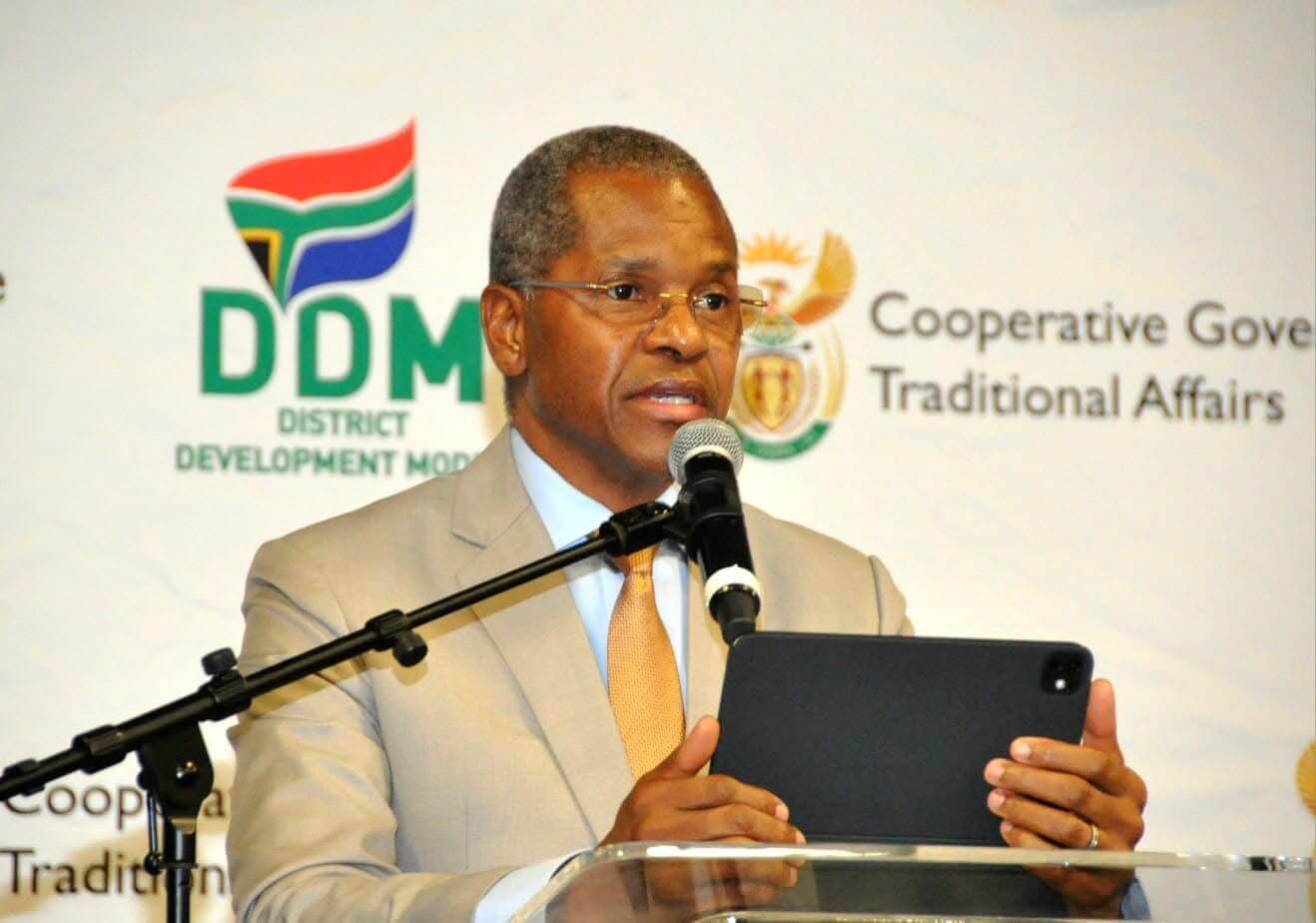
Minister of Cooperative Governance and Traditional Affairs, Velenkosini Hlabisa, has warned the public to take the Level 9 severe weather alert seriously as heavy rain and widespread flooding threaten several provinces. The South African Weather Service issued the alert for Gauteng, North West and Mpumalanga, prompting immediate action from national, provincial and municipal disaster teams. Disaster Management Centres have now activated readiness plans as the country braces for potential impact.
What Happened
The South African Weather Service issued a Level 9 severe weather warning for Gauteng, North West and Mpumalanga, forecasting intense rainfall, flooding and possible mudslides.
Following the alert, the National Disaster Management Centre (NDMC) began coordinating disaster-response measures and activated provincial readiness structures.
Disaster Management Centres in the affected provinces are fully activated. Other provinces remain on high alert as weather conditions continue to deteriorate. National departments, the South African National Defence Force, the South African Police Service and emergency services have been placed on standby for flash floods, power outages and structural damage.
The NDMC convened the National Joint Floods Coordinating Committee on 13 November to assess preparedness for 15–16 November. A follow-up meeting with Provincial Heads of Disaster Management Centres took place on 15 November. The next NJFCC briefing is scheduled for 16 November at 09h00.
Official Response
Minister Hlabisa urged government structures to work in a coordinated manner, reminding the NDMC of its legislative responsibility to guide disaster management across all spheres of the state.
“We must ensure an integrated system that brings together national, provincial and local authorities, as well as all other disaster-response partners,” he stated.
He further encouraged communities to follow basic safety steps during severe weather. These include monitoring SAWS updates, evacuating when instructed, securing homes, and staying in contact with family and neighbours especially vulnerable individuals.
The Minister stressed avoiding low-lying bridges and flooded roads, noting that such behaviour remains one of the leading causes of flood-related deaths.
“These actions are simple yet powerful. They can save lives, protect livelihoods and prevent avoidable damage to property and infrastructure,” he said.
Hlabisa added that every plan must be guided by the principle of safeguarding human life:
“Lives cannot be replaced. Our duty is to save lives and build community resilience.”
Community Impact
The Level 9 alert poses a serious risk to thousands of households, particularly in flood-prone areas.
Through coordinated efforts between government, civil society, NGOs and communities, authorities aim to reduce disaster risk and strengthen resilience.
Residents are urged to follow official instructions and prioritise personal safety as conditions intensify.