

Download the Pondoland Times app for NSFAS payment updates, application news, student funding alerts and important education updates.
Flexible Education Could Be South Africa’s Greatest Equaliser
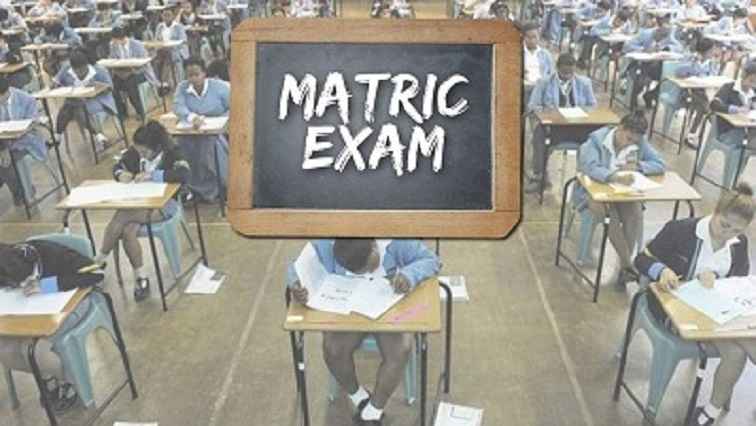
As the Matric Class of 2025 begins final exams, education experts warn that the country’s rigid higher education system remains a major barrier for most young South Africans.
What’s Holding Students Back?
Over 900,000 matrics are writing exams this month, but even those who pass still face huge obstacles. According to Leon Smalberger, CEO of the Academic Institute of Excellence (AIE), many can’t afford to live near campuses, don’t have reliable transport, or must work to support their families.
“These are not exceptions — they are the norm,” says Smalberger. “The challenge isn’t a lack of talent, it’s a lack of flexibility in how we deliver education.”
He adds that while a tertiary qualification is increasingly a necessity, South Africa’s current model assumes all students can attend full-time, in-person classes — a system that excludes millions.
Why the System Must Change
South Africa’s tertiary dropout rates show how serious the problem is:
- Up to 50% of students leave before completing their studies
- First-year dropout rates can hit 60%
- The national graduation rate is just 17%
Smalberger believes the solution lies in designing education around people’s lives, not the other way around.
“When learning becomes more flexible, opportunity will finally become fair.”
How AIE Is Changing the Game
To address this, AIE has developed three learning models that give students real choice:
| Learning Path | Description |
|---|---|
| Full-time hybrid | Students can switch between on-campus and online learning |
| Full-time online | Learn from anywhere in SA or abroad, with full digital support |
| Part-time flexi-online | Ideal for working students with evening or weekend availability |
- Real-time classes using smart screens and digital whiteboards
- Multi-camera views for interactive online participation
- All lectures recorded for on-demand access
This means students in rural towns like Bizana or Bushbuckridge can access the same quality education as those in cities.
Building a Better Ecosystem
To support this flexibility, AIE has unified its nine specialist schools into a single system: One AIE. This integrated model:
- Offers nearly 100 accredited qualifications
- Allows transferable credits across disciplines
- Enables students to move between online and in-person study
“If South Africa is serious about solving its skills crisis, flexibility in tertiary education cannot remain optional. It must become policy,” Smalberger says.
Final Word: Education on Students’ Terms
This is a generation that is mobile, digital, and financially stretched. Education must adapt.
As the Matric Class of 2025 looks ahead, one thing is clear: to truly transform futures, South Africa must offer multiple, credible ways to learn — anytime, anywhere.