
Unlock this story — it’s free
Download the Pondoland Times app for NSFAS payment updates, application news, student funding alerts and important education updates.
3 Key Takeaways:
- The Indigenous Language Festival insisted the importance of preserving isiXhosa and Sesotho through fun, educational activities.
- Learners showcased skills in Book Review, Spelling Bee, and Word Relay, promoting teamwork and communication.
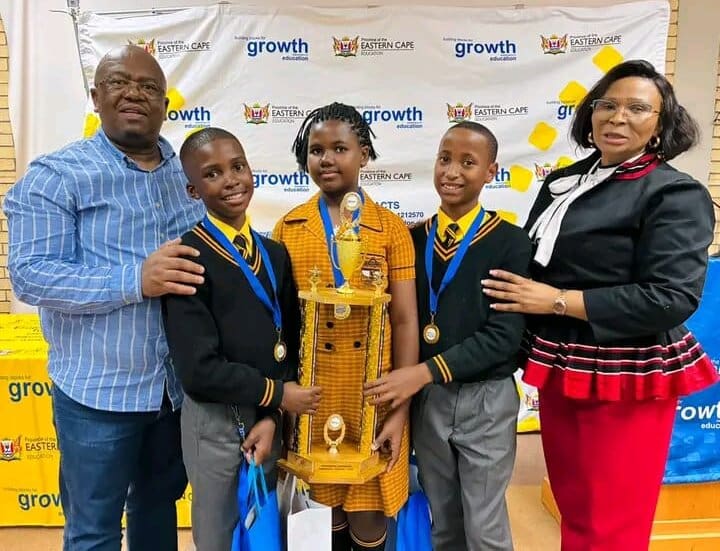
- All participants received certificates, while top achievers earned trophies for their outstanding performances.
The Indigenous Language Festival which took place on 17 October 2025, turned classrooms into stages of culture and creativity, reminding young minds why South Africa’s languages matter. More than just a contest, it became a celebration of identity — where isiXhosa and Sesotho voices echoed with pride and purpose.
Their Story
The festival brought together learners who share a deep respect for their roots and languages. It was designed to cultivate curiosity, discipline, and appreciation for indigenous languages that form the heart of South African heritage.
Organizers described the event as an academic exercise that planted and nurtured a seed of research, communication, and teamwork. Through preparation and participation, learners developed critical skills that extend beyond the classroom — from confident speech to creative writing.
The Event/Occasion
Activities like Book Review, Spelling Bee, and Word Relay formed the backbone of the festival. These challenges tested not only linguistic knowledge but also the ability to think fast, collaborate, and communicate effectively.
Participants conducted research on their chosen book topics, improving their comprehension and analytical skills. The Word Relay, meanwhile, added an energetic touch, reinforcing teamwork and language fluency.
The highlight came during the awards ceremony, where every learner received a certificate of participation, and the top performers proudly walked away with trophies. The joy on their faces reflected the success of an event that valued participation as much as victory.
Community Reactions
Parents, teachers, and community leaders praised the festival for its role in promoting language preservation and cultural awareness among the youth.
“This festival reminds us that language is more than communication — it’s identity,” said one attending teacher.
The event also strengthened connections between schools and communities, showing that learning about one’s mother tongue can be both fun and empowering.
Many hope the festival will become an annual tradition, expanding to include more languages and schools across the region.