
Unlock this story — it’s free
Download the Pondoland Times app for breaking Eastern Cape news, community updates, jobs, and important stories from around you.
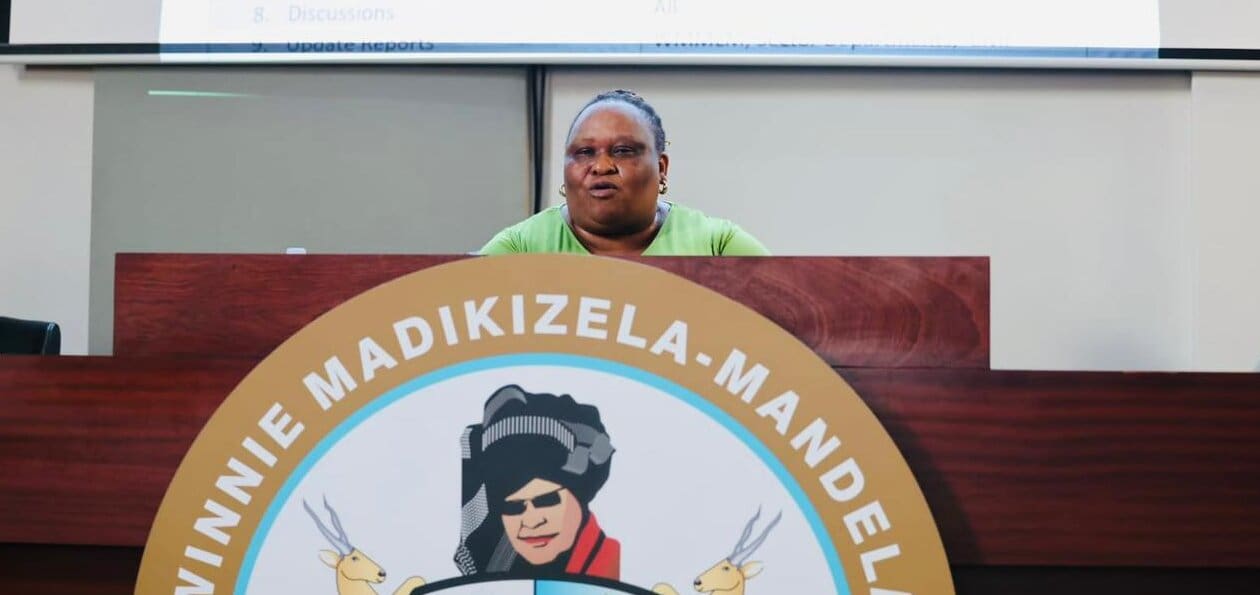
The Winnie Madikizela-Mandela Local Municipality (WMMLM) hosted a Local AIDS Council meeting on 14 October 2025. The session brought together government departments, Alfred Nzo District Municipality, civil society organisations, traditional leaders, traditional health practitioners, and representatives of people with disabilities. The goal was to strengthen collaboration and improve health outcomes in the community.
What Happened
During the meeting, stakeholders discussed key challenges, including limited resources, service delivery gaps, and barriers affecting vulnerable groups. They explored new strategies to enhance HIV/AIDS prevention, treatment, and community health interventions. “It is only by working together, government, civil society, traditional leaders, and health practitioners, that we can address HIV/AIDS and other health issues effectively,” said Her Worship, Mayor TD Mafumbatha.
“Every life matters, and we are committed to ensuring that our programmes remain inclusive and impactful.”
The council also reviewed outcomes from the recent Civil Society Summit. Members agreed to develop a practical action plan aligned with community needs and district health goals.
Official Response
Mayor TD Mafumbatha emphasized that collaboration is key to fighting HIV/AIDS. She urged departments and civil society partners to work closely to close service gaps and ensure that no group is left behind. Municipal officials reaffirmed that health and wellness remain central to WMMLM’s development priorities. Furthermore, they stressed that community-driven initiatives and ongoing engagement would guide the municipality’s future HIV response.
“We thank all Local AIDS Council stakeholders for their continued dedication and teamwork,” said Mayor Mafumbatha.
Community Impact
The meeting reinforced the importance of shared responsibility in promoting public health. As a result, it strengthened partnerships across sectors and encouraged the inclusion of people with disabilities, youth, and traditional leaders in awareness campaigns.
In addition, the municipality committed to improving health education and expanding access to prevention services across wards. The engagement demonstrated that coordinated local action can make a real difference in reducing HIV infections and other community health challenges.