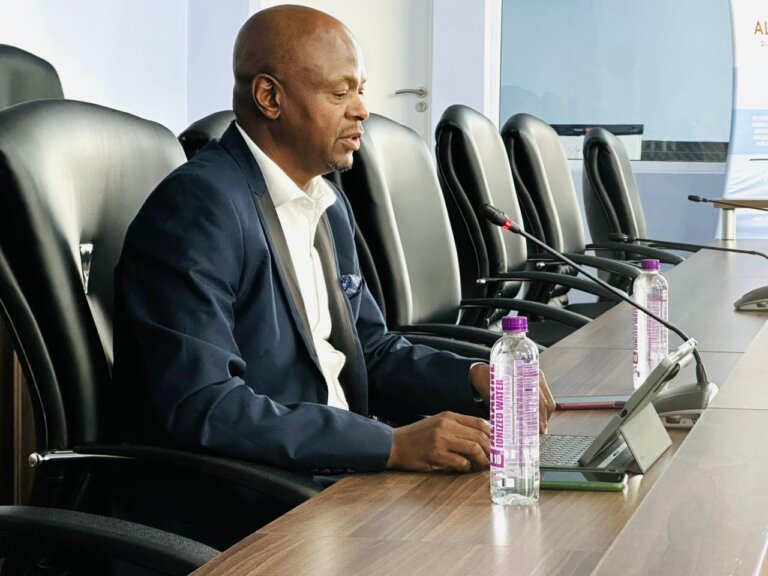
The Alfred Nzo District Municipal Public Accounts Committee (MPAC) has convened a high-level oversight meeting in Matatiele to intensify scrutiny over financial management and service delivery in the region.
Running from 13–14 October 2025 at the Matatiele Local Municipality Council Chambers, the meeting brings together MPAC members and municipal management to address unauthorised, irregular, fruitless, and wasteful expenditure, as well as performance and compliance concerns from both the Alfred Nzo District Municipality (ANDM) and the Alfred Nzo Development Agency (ANDA).
What Happened
The ordinary MPAC sitting focuses on assessing detailed financial and performance reports from ANDM and ANDA. These include audits of Unauthorised, Irregular, Fruitless and Wasteful (UIFW) expenditure and compliance with legislative frameworks.
Councillor Sandile Sello, Chairperson of the ANDM MPAC, emphasized the importance of oversight translating into tangible outcomes.
“Yes, we want to retain the clean audit outcome, but this should not only be on paper but result in improved quality of services and change the lives of the people of Alfred Nzo,” said Councillor Sello.
Official Response
The Chairperson called on MPAC members to intensify their oversight roles and ensure the municipality delivers value for money in all its projects. He also urged municipal management to strengthen cooperation with the Auditor-General’s office by responding promptly to Requests for Information (RFIs).
A notable development from this session includes scheduled engagements with Public Accounts Committee Chairpersons from all Local Municipalities (LMs) in the District. This collaborative move aims to establish a District-Wide MPAC Forum, promoting unified oversight and accountability.
Community Impact
By prioritising accountability and performance, the Alfred Nzo District MPAC aims to shift clean audits from a symbolic achievement to real improvements in service delivery. The strengthened oversight structures could lead to better financial controls, fewer irregular expenditures, and ultimately, more efficient service provision for residents.